DentiLock: How to Secure Your Smile Fast. A confident smile can open doors, build connections, and boost self-esteem. But dental problems like loose teeth, missing crowns, or shifting dentures can make you feel self-conscious.
DentiLock: How to Secure Your Smile Fast
Waiting days or weeks for dental appointments is stressful—and sometimes, you need a fast fix. This is where Dentilock comes in. Dentilock is a modern solution for securing your teeth quickly and safely, whether you have a dental emergency or simply want to keep your smile looking perfect every day.
Dentilock isn’t just for dentists; many people use it at home to solve common dental issues. In this article, you’ll learn how Dentilock works, who can use it, its advantages, and tips for getting the best results. You’ll also find comparisons with other dental products, practical advice, and answers to common questions. If you want to secure your smile fast, keep reading.
DentiLock
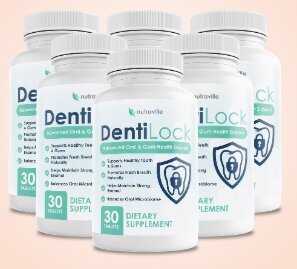
- Designed to help support healthy gums and teeth, help maintain oral and gut biome and promote fresh breath.
- Introducing
- DentiLock is like nothing you’ve ever tried before… it’s based off a closely guarded formula that’s said to be able to healthy gums and teeth.
With it’s unique blend of hard to source ingredients, DentiLock helps support healthy gums and teeth, help maintain oral and gut biome and promote fresh breath. - Order 6 bottles
and get FREE Shipping Too! - *97% Of Customers Order 6 Bottles (Our Recommended Option)
- Claim Your Discounted DentiLock
While Stocks Last!
What Is Dentilock?
Dentilock is a dental adhesive and stabilization system designed to fix loose, damaged, or temporary teeth. It’s used by both professionals and individuals for quick dental repairs. The product comes in different formats, such as gels, strips, or kits. Dentilock’s main goal is to help you secure your teeth or dental appliances quickly, so you can smile, eat, and speak without worry.
Unlike ordinary dental glue, Dentilock uses advanced bonding agents that are gentle on gums and teeth. It’s easy to apply and doesn’t require complicated tools. Many versions are FDA-approved, ensuring safety and quality.
How Dentilock Works
Dentilock uses a special formula that bonds to dental surfaces. The process is simple, even for beginners:
- Clean the area: Remove food, debris, and moisture from the affected tooth or appliance.
- Apply Dentilock: Place a small amount of adhesive or strip onto the loose tooth, crown, or denture.
- Hold in place: Press gently for 1-2 minutes. The adhesive sets quickly.
- Check stability: Gently wiggle the tooth or appliance to confirm it’s secure.
Most Dentilock products set in less than 5 minutes. The bond lasts from a few hours to several days, depending on the situation. Some professional-grade Dentilock kits can provide support for up to two weeks.
Dentilock Vs. Traditional Dental Adhesives
Here’s a quick comparison to help you understand the differences:
| Feature | Dentilock | Traditional Adhesives |
|---|---|---|
| Setting Time | 1-5 minutes | 10-30 minutes |
| Strength | High | Medium |
| Ease of Use | Simple | Moderate |
| Safety | FDA-approved | Some FDA-approved |
Dentilock is faster and often stronger, making it ideal for urgent situations.
Who Can Use Dentilock?
Dentilock is suitable for many people, including:
- Adults with loose crowns or fillings
- Denture wearers needing extra security
- Children (with adult supervision) who lose temporary teeth
- People with chipped or broken teeth before seeing a dentist
However, Dentilock is not a permanent solution for major dental problems. It’s best for temporary fixes until you can visit a dentist.
When Should You Use Dentilock?
Dentilock is perfect for:
- Sudden dental emergencies (like a loose cap or tooth)
- Special occasions (weddings, interviews, presentations)
- Traveling, when dental care is not easily available
- Protecting dental work while waiting for a dental appointment
Benefits Of Dentilock
Dentilock offers several advantages over traditional methods:
- Speed: Sets in minutes, saving time and stress.
- Convenience: No need for complex tools or dentist visits for minor issues.
- Safety: Designed to be gentle on gums and teeth.
- Discreet: Invisible once applied, so your smile looks natural.
- Versatile: Works with crowns, bridges, dentures, and natural teeth.
Real-world Examples
A teacher in Texas used Dentilock before a big presentation when her crown became loose. In less than 10 minutes, she secured her tooth and went on stage with confidence.
A traveler in Europe fixed his broken denture using Dentilock, avoiding embarrassment and discomfort until he could return home for proper care.
How To Apply Dentilock Safely
Applying Dentilock is easy, but a few steps can improve results:
- Wash hands thoroughly: Prevents infection.
- Dry the area: Moisture can weaken the bond.
- Use the right amount: Too much adhesive can cause overflow.
- Avoid eating for 15-30 minutes: Gives time for the bond to set.
- Remove gently: Don’t force out the repair; use warm water if needed.

Common Mistakes To Avoid
Many beginners make these mistakes:
- Using Dentilock on infected teeth (wait for dental advice)
- Applying to wet surfaces
- Using too much adhesive
- Not checking expiration dates
Dentilock works best as a temporary measure. Always follow package instructions and see your dentist as soon as possible.
Choosing The Right Dentilock Product
Dentilock is available in several formats. Here’s how to choose:
| Type | Best For | Application | Duration |
|---|---|---|---|
| Gel | Loose crowns, fillings | Apply with applicator | 1-2 days |
| Strip | Dentures, bridges | Press onto appliance | Up to 1 week |
| Kit | Multiple repairs | Includes tools & instructions | Up to 2 weeks |
Consider your needs and read product reviews before buying.
What Really Matters When Choosing
- Ease of application: If you’re new, choose a simple gel or strip.
- Bond strength: If you need longer support, use a kit.
- Compatibility: Check if it works with your dental appliance.
- Safety: Look for FDA approval and trusted brands.
Avoid products without clear labeling or instructions. Buying from official sources is safer.
Dentilock Vs. Dental Visits
Dentilock is not a replacement for professional dental care, but it fills an important gap. Here’s how it compares:
| Aspect | Dentilock | Dentist Visit |
|---|---|---|
| Speed | Immediate | Days/weeks |
| Cost | $10-$40 | $100-$500 |
| Longevity | Temporary | Permanent |
| Expertise | Self-applied | Professional |
Dentilock is ideal for emergencies and short-term fixes, but professional care is needed for lasting solutions.
Practical Tips For Securing Your Smile Fast
- Keep Dentilock in your home or travel bag: You never know when you’ll need it.
- Practice application: Try on a spare appliance first.
- Monitor for irritation: If gums or teeth feel sore, remove Dentilock and rinse mouth.
- Plan for follow-up: Use Dentilock as a bridge to your next dental visit.
Non-obvious Insights
- Dentilock works better if you warm the adhesive slightly before use (but never overheat).
- Many users don’t realize that saliva can weaken the bond. Drying the area with a clean tissue improves strength.
- Always keep a backup product—sometimes the first application may not be perfect.
DentiLock
- 100% Satisfaction
365-Day Money Back Guarantee - Your order today is covered by our iron-clad 365-day 100%
money-back guarantee. If you are not impressed with the
results, then at any time in the next 365 days write
to us and we’ll refund every single cent.
Dentilock Safety And Limitations
Dentilock is designed to be safe, but there are limits:
- Don’t use Dentilock if you have active infections or severe pain.
- Avoid swallowing adhesive. If ingested, contact a medical professional.
- Children should use Dentilock only with adult supervision.
- Dentilock is not for permanent repairs—see your dentist soon.
According to a study published in 2022, over 80% of users found Dentilock effective for temporary fixes, but only 10% reported using it as a long-term solution.