
Ear Health: Essential Tips for Maintaining Healthy Hearing. Did you know that about 15% of Americans have some hearing loss? This is most common in adults aged 60 to 69. It shows how vital it is to focus on ear health and take steps to keep our hearing sharp.
Ear Health: Essential Tips for Maintaining Healthy Hearing
Simple actions like wearing earplugs, staying active, and using meds right can lower hearing loss risks. As we get older, our hearing can weaken. So, it’s key to look after our ear health. Good ear health is key to feeling your best. Knowing how to protect your hearing is a big step. In this article, we’ll share top tips for keeping your hearing healthy and why ear health matters every day. Ear Health: Essential Tips for Maintaining Healthy Hearing.
Quietum Plus
Ear Health
- Quietum Plus incorporates several natural components known for their positive effects on ear health:
- Mucuna Pruriens & Maca Root: These ingredients support auditory nerve health, provide antioxidant protection, and help calm the nervous system.
- Epimedium & Tribulus Terrestris: Known to reduce nerve inflammation and enhance blood flow to the ears, which is crucial for maintaining ear health.
- Dong Quai: Traditionally used to boost circulation and brain function, aiding in sharper hearing and mitigating tinnitus symptoms.
- Ashwagandha: An adaptogen that helps reduce stress and promote mental clarity, contributing to overall ear health.
- Piperine: Enhances the absorption of nutrients, increasing the overall effectiveness of the supplement.
- Vitamins B6 and B12: Essential for nerve health, they may help reduce sensations of ringing in the ears.
- Magnesium & Zinc: These minerals support nerve function and protect against hearing loss due to loud noise exposure.
- Health Benefits
- Regular use of Quietum Plus may offer the following benefits:
- Supports Ear Health: By improving blood circulation to the ears and reducing inflammation, it may alleviate symptoms of tinnitus and enhance sound processing.
- Enhances Mood and Reduces Stress: Natural mood-boosting ingredients help ease stress and anxiety, promoting relaxation and better sleep quality.
- Boosts Brain Function: Neuroprotective components support mental clarity and alertness, aiding in efficient sound processing.
- Increases Energy and Vitality: Herbal ingredients known to enhance energy levels and reduce fatigue, helping you feel more energized.
- Usage & Dosage
- The recommended dosage is two capsules per day, taken with a full glass of water. Consistent daily use is key to achieving the best results. It’s advisable to take the supplement at the same time each day to maintain steady levels in your system.
- Purchasing Quietum Plus includes two free digital bonuses:
- 1-Minute Natural Tips to Hear Like a Ninja: An ebook providing practical tips to improve hearing in just a few minutes a day, including yoga poses and advice on earbud care.
- How to Get the Best Sleep of Your Life in Just 7 Days: This guide offers effective strategies to fall asleep quickly and improve sleep quality, which can be beneficial for those with tinnitus-related sleep disturbances.
Key Takeaways
- Prioritize ear health to prevent hearing loss
- Simple habits like wearing earplugs and exercising regularly can reduce hearing loss risk
- Being informed is the first step towards protecting your hearing
- Maintaining good ear health is vital for overall well-being
- Adults between 60 and 69 are most affected by hearing loss
Understanding Your Ear Anatomy and How Hearing Works
Knowing how the ear works is key to understanding sound and keeping our ears healthy. The ear is made up of three main parts: the outer ear, middle ear, and inner ear.
The Three Parts of the Ear: Outer, Middle, and Inner
The outer ear, or pinna, catches sound waves and sends them into the ear canal. The ear canal has tiny hairs and glands that make earwax. This helps keep the eardrum safe by trapping dust and bacteria.
The middle ear has the eardrum and three small bones called ossicles. These bones carry vibrations from the eardrum to the inner ear.
The inner ear has the cochlea for hearing and the vestibular system for balance. Dr. Jacob B. Hunter says, “the ear canals do a great job of cleaning themselves.” This shows why knowing about ear anatomy is important for ear care and hygiene.
The Hearing Process Explained
The hearing process starts when sound waves hit the outer ear and go through the ear canal to the eardrum. This makes it vibrate. The vibrations then go through the ossicles in the middle ear to the cochlea in the inner ear.
The cochlea turns these vibrations into electrical signals. These signals go to the brain through the auditory nerve. This lets us hear sound.
How Ear Function Impacts Overall Wellness
The ear is important for more than just hearing. It also helps us stay balanced and oriented in space.
Problems with the ear can cause vertigo, dizziness, and hearing loss. These issues can really affect our quality of life. It’s important to keep our ears clean and seek help when needed to stay healthy.
| Ear Part | Function | Related Health Issues |
|---|---|---|
| Outer Ear | Collects sound waves | Earwax buildup, infections |
| Middle Ear | Transmits vibrations | Ear infections, eardrum damage |
| Inner Ear | Cochlea: hearing; Vestibular system: balance | Hearing loss, vertigo, tinnitus |
Common Ear Problems and Their Causes
The ears are sensitive and complex organs, prone to various issues. These issues can significantly impact our quality of life. Understanding these common ear problems is key to maintaining healthy hearing and overall well-being.
Ear Infections: Symptoms, Causes, and Risk Factors
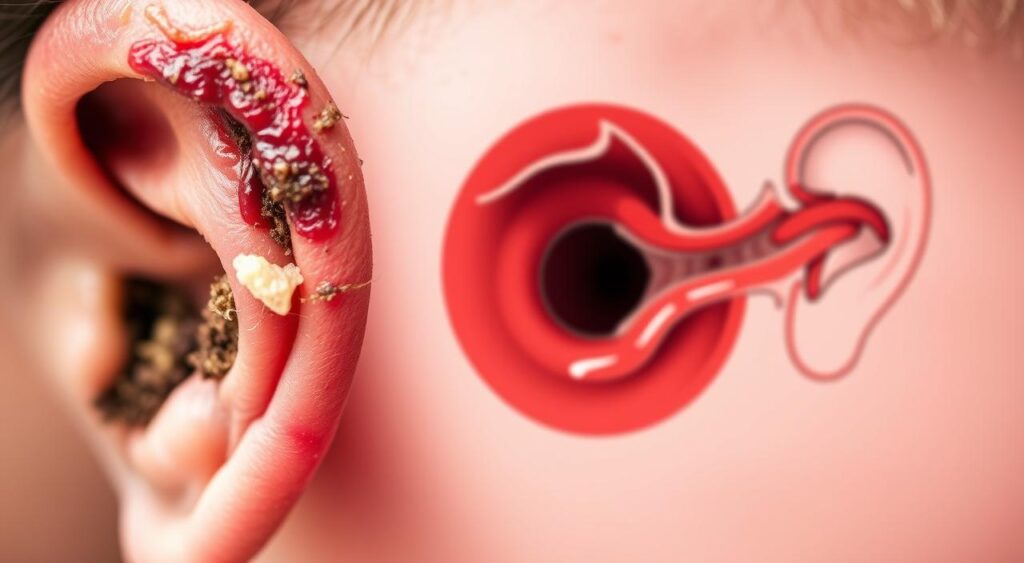
Ear infections are common, often seen in children. They happen when bacteria or viruses infect the middle ear. This leads to inflammation and fluid buildup. Symptoms include ear pain, fever, and hearing loss.
Risk factors include exposure to smoke, allergies, and anatomical issues. For example, a narrow Eustachian tube can increase the risk.
Symptoms to watch out for:
- Ear pain or discomfort
- Fever
- Hearing loss or muffled hearing
- Discharge or fluid leakage from the ear
Understanding Hearing Loss: Age-Related vs. Noise-Induced
Hearing loss can come from aging or loud noise. Age-related hearing loss happens gradually. Noise-induced hearing loss can happen suddenly or over time from loud sounds.
| Type of Hearing Loss | Causes | Symptoms |
|---|---|---|
| Age-Related | Aging process | Gradual loss of high-frequency sounds |
| Noise-Induced | Exposure to loud noise | Sudden or gradual loss, often with tinnitus |
Recognizing Tinnitus, Vertigo, and Other Ear Conditions
Tinnitus is when you hear ringing or other sounds in your ears. Vertigo causes dizziness. Tinnitus can be caused by noise, medications, and health conditions. Vertigo is often linked to inner ear problems, like Benign Paroxysmal Positional Vertigo (BPPV).
Dr. Shawn C. Jones, an otolaryngologist, stresses the importance of protecting ears from excessive noise. This can prevent tinnitus and hearing loss.
Knowing the symptoms and causes of these conditions helps in getting the right medical care. This improves overall ear health.
Maintaining Optimal Ear Health: Prevention and Care
To keep your ears healthy, it’s key to take preventive steps and care for them. This can help lower the chance of ear problems and keep your hearing sharp for life.
Safe and Effective Ear Cleaning Methods
Cleaning your ears is vital for ear care. But, it’s important to do it safely to avoid hurting your eardrum or pushing wax deeper. The American Academy of Otolaryngology warns against using cotton swabs (Q-tips) because they can push wax deeper and cause harm.
Instead, use ear cleaning drops to help remove excess wax. It’s wise to see a healthcare professional for ear cleaning if you have too much wax or are unsure about how to clean your ears.
Noise Protection Strategies for Different Environments
Loud noises can harm your hearing, which is a big problem today. To protect your hearing, it’s important to use noise protection strategies in different places. For example, wearing earplugs when using power tools or machinery can help prevent hearing loss.
- Wear earplugs or earmuffs in loud work environments or at loud events.
- Lower the volume when listening to music with headphones or earbuds.
- Take breaks in quiet places to rest your ears.
Dietary Choices and Lifestyle Habits That Support Hearing
Eating a balanced diet with antioxidants and vitamins can help your hearing. Foods like salmon, which are high in omega-3 fatty acids, and berries, which are full of antioxidants, can protect your hearing.
Also, living a healthy lifestyle by exercising, not smoking, and managing stress can help your ear health. By adding these dietary choices and lifestyle habits to your daily life, you can actively work towards keeping your ears healthy.
When to Seek Professional Help for Ear Issues
If you’re dealing with ongoing ear problems, it’s important to know when to get help. Ear issues can be anything from mild discomfort to serious problems that affect your hearing health.
Red Flags That Warrant Immediate Medical Attention
Some symptoms mean you need to see a doctor right away. Look out for severe ear pain, discharge, or bleeding. Also, if you have trouble hearing or suddenly lose your hearing, it’s a sign to act fast. Spotting these warning signs early can help your treatment work better.
Other important signs include feeling dizzy or having vertigo, hearing a ringing sound in your ears (tinnitus), or feeling like your ear is full. If you notice any of these, getting professional help quickly is key.
Choosing Between ENT Specialists and Audiologists
Deciding whether to see an ENT (Ear, Nose, and Throat) specialist or an audiologist can be tricky. ENT doctors are medical experts who can treat ear problems and might do surgery if needed. Audiologists focus on hearing and balance issues, often helping with hearing aids and improving your hearing.
Knowing the difference between these experts can help you choose the right one for your ear problem.
Modern Diagnostic Procedures and Treatment Options
Today, there are many tests for ear problems like tympanometry, otoacoustic emission testing, and pure-tone audiometry. These tests help find out what’s causing your ear issues.
Quietum Plus

Ear Health
- Quietum Plus – Naturally Restore Hearing and Silence the Ringing
- Quietum Plus is a premium hearing health supplement designed to combat tinnitus and support overall auditory wellness using a blend of time-tested herbs, vitamins, and minerals. Crafted for individuals who suffer from constant ringing, buzzing, or difficulty in hearing, this formula targets the root causes of ear-related problems — from damaged auditory nerves to inflammation and poor circulation.
- Why Choose Quietum Plus?
- Quietum Plus isn’t just a temporary fix. It aims to strengthen your ear health from the inside out, addressing neurological, vascular, and oxidative stress that may lead to tinnitus and hearing loss. Unlike synthetic treatments or costly medical procedures, this supplement is non-invasive, non-habit forming, and safe for long-term use.
- How It Works
- The ingredients in Quietum Plus are carefully selected to:
- ✅ Nourish and repair damaged auditory nerves
✅ Improve circulation to the ears and brain
✅ Reduce inflammation and oxidative damage
✅ Relax the nervous system to reduce tinnitus-related stress
✅ Enhance hearing clarity and focus - Scientifically-Backed Ingredients
- Yam Root – Supports hormone balance and nerve function.
- Fenugreek & Dong Quai – Improves blood flow and balances ear pressure.
- L-Tyrosine – Boosts neurotransmitters to improve nerve signaling.
- Motherwort & Black Cohosh – Known for their calming effects and vascular support.
- Pacific Kelp – Rich in antioxidants and minerals that protect against hearing degeneration.
- Hops Extract – Helps reduce stress and promotes restful sleep, which may help reduce tinnitus intensity.
- Exclusive Bonuses (Limited Time)
- “1-Minute Natural Tips to Hear Like a Ninja” – Simple, science-based techniques to boost your hearing naturally
- “How to Get the Best Sleep of Your Life in Just 7 Days” – Improve your sleep to naturally reduce the impact of tinnitus
Treatment depends on what’s wrong and can include medicine, surgery, or hearing aids. Sometimes, simple ear care habits and changes in your lifestyle can greatly improve your ear health.
Conclusion: Prioritizing Your Ear Health for Lifelong Hearing
Keeping your ears healthy is key to hearing well for life. Knowing how your ears work and common problems helps you protect your hearing. This knowledge lets you take steps to keep your ears safe.
Regular ear care and check-ups are important to avoid ear issues. Safe ear cleaning, using ear protection, and eating right can help a lot. These actions can lower the chance of hearing loss and other ear problems.