
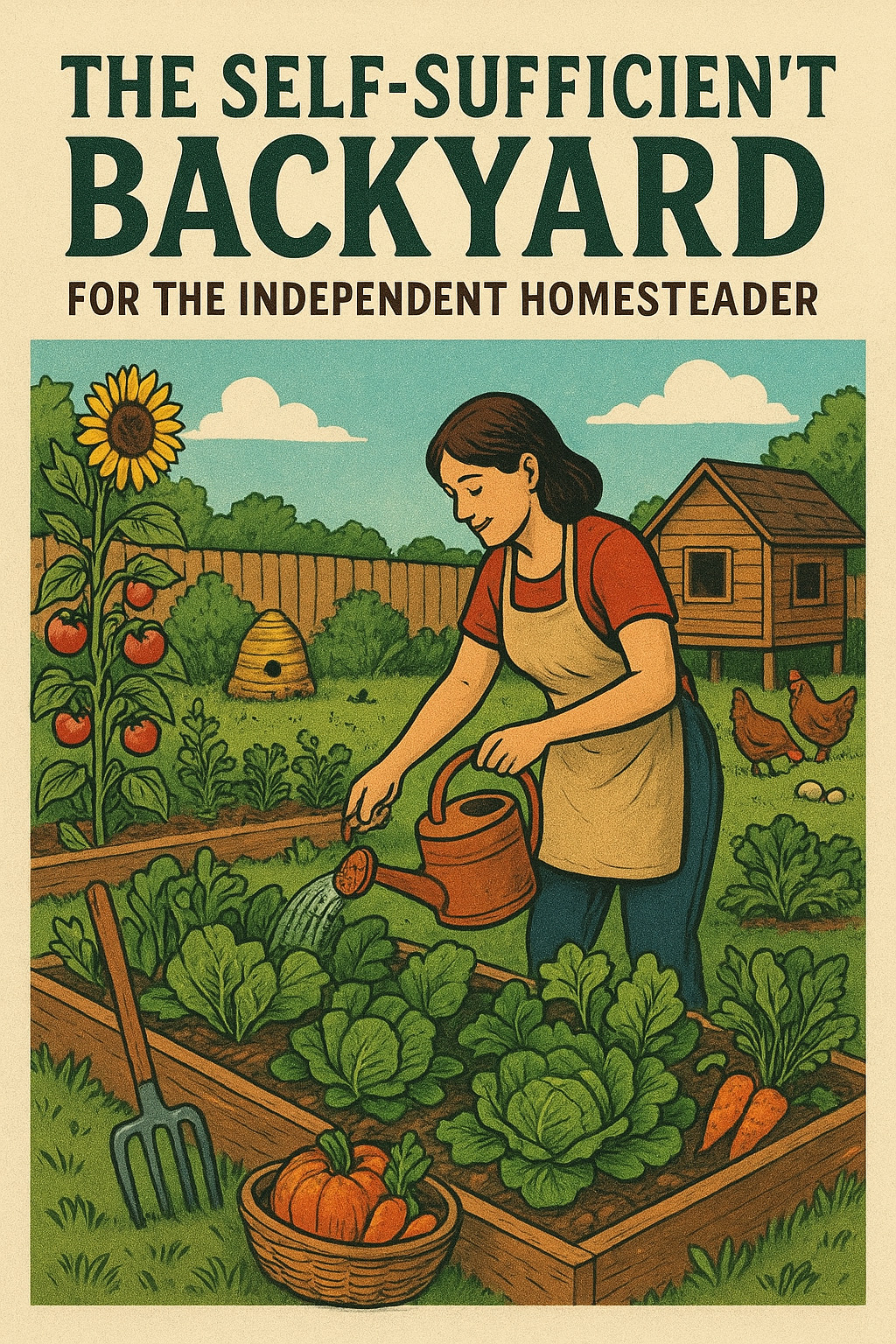
Transform Your Backyard: How to Become Self-Sufficient on Just a Quarter Acre. Transforming a backyard into a self-sufficient space is possible even on just a quarter acre. With careful planning, efficient use of space, and smart techniques, a small plot of land can meet most food and energy needs. Only about 1,020 square feet of cultivated land per person is needed to provide enough food, making a quarter acre more than enough when managed well.
Transform Your Backyard: How to Become Self-Sufficient on Just a Quarter Acre
Growing food, collecting water, and producing energy can all happen in a limited area. Methods like crop rotation, seed saving, and small animal care help increase yields while keeping the space sustainable. This approach not only reduces reliance on stores but also connects people to their environment in practical ways.
The Self-Sufficient Backyard: For The Independent Homesteader Physical
Transform Your Backyard
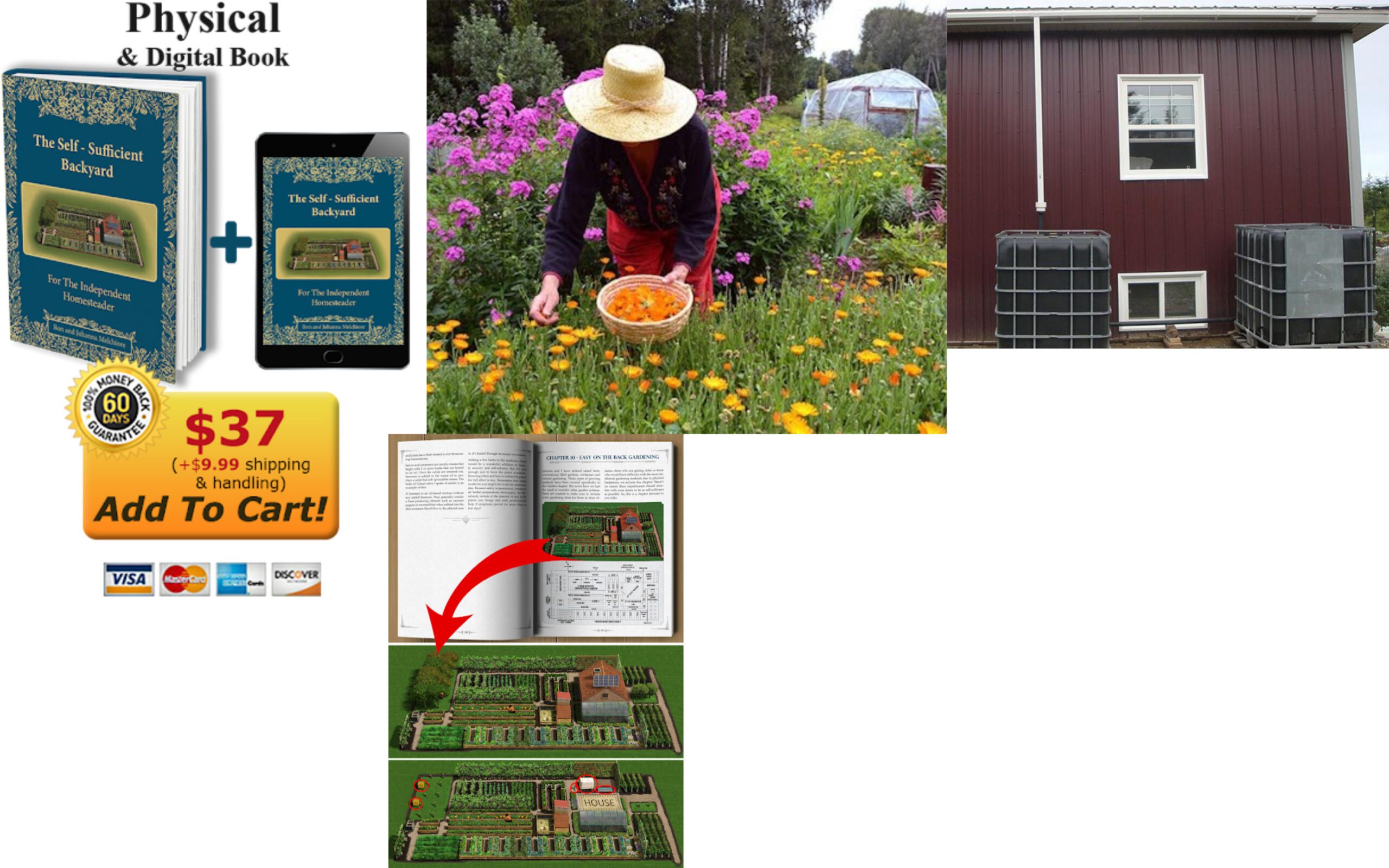
- Transform your home into a thriving, self-reliant sanctuary with The Self-Sufficient Backyard, the ultimate physical guide for anyone dreaming of independence, sustainability, and true homesteading freedom. Whether you live on a compact suburban plot or a spacious rural property, this comprehensive handbook shows you exactly how to maximize every inch of space and turn it into a productive haven.
- Written by experienced homesteaders, this book is packed with step-by-step instructions, practical blueprints, real-life examples, and proven methods designed to help you grow your own food, reduce monthly expenses, and live a healthier, simpler lifestyle.
- Inside This Physical Edition, You’ll Discover:
- Small-Space Food Production: Learn how to produce a year-round supply of vegetables, fruits, and herbs—even on as little as a quarter acre.
- Backyard Livestock & Poultry: Easy-to-follow guides on raising chickens, rabbits, quail, and more for meat, eggs, and self-sufficiency.
- Off-Grid Water Solutions: Methods to collect, purify, and store water using DIY systems anyone can build.
- Energy Independence: Explore renewable energy options like solar setups that can cut your power costs significantly.
- Preservation & Storage: Time-tested techniques to store food safely for months or even years.
- Sustainable Living Skills: Composting, soil improvement, natural remedies, permaculture principles, and eco-friendly practices.
- Blueprints & Illustrations: Detailed designs for greenhouses, root cellars, raised beds, and other essential homestead structures.
- Perfect for beginners and seasoned homesteaders.
- Written in simple, actionable language.
- Helps reduce dependency on grocery stores and utilities.
- Encourages a healthier, more intentional lifestyle.
- Printed in a high-quality physical format—easy to reference, highlight, and keep as a long-term resource.
A quarter-acre homestead can be tailored to individual needs and local climates, proving that self-sufficiency is not about having a large property but using a small one wisely. The right knowledge and tools turn any backyard into a productive, independent space. Transform Your Backyard: How to Become Self-Sufficient on Just a Quarter Acre.
Key Takeways
- Effective planning maximizes small land use for food and energy.
- Growing and preserving food supports year-round self-sufficiency.
- Sustainable techniques reduce outside dependence and increase resilience.
Planning Your Quarter Acre Homestead
A quarter-acre homestead needs careful planning to make the best use of the limited space. It is important to define clear goals, design a practical layout, and understand the natural conditions like sunlight, soil, and water access to maximize productivity. Transform Your Backyard: How to Become Self-Sufficient on Just a Quarter Acre.
Setting Goals for Self-Sufficiency
Setting realistic goals helps focus efforts and resources. The size of the household and the types of food desired play a big role in what can be grown or raised. Transform Your Backyard: How to Become Self-Sufficient on Just a Quarter Acre.
Goals could include growing staple vegetables, raising a few chickens for eggs, or producing herbs and small fruits. It is important to prioritize tasks based on what food or products add the most value.
A clear goal might be to supply half the family’s fresh vegetables year-round or to produce enough eggs to reduce grocery needs. Understanding these targets helps allocate space and labor efficiently.
Designing a Productive Backyard Layout
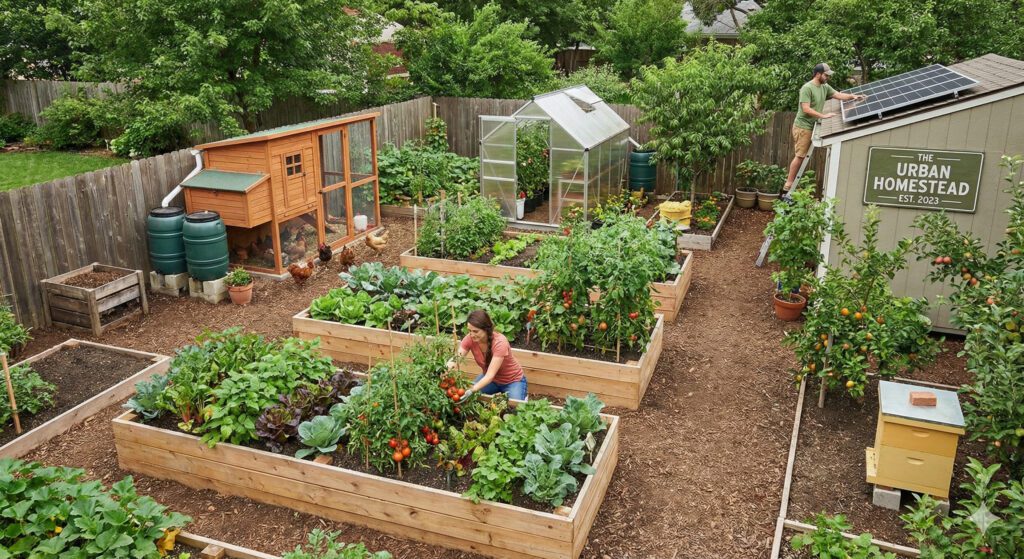
A well-planned layout ensures each square foot works hard. Using raised beds, vertical gardening, and companion planting can increase growing space. Transform Your Backyard: How to Become Self-Sufficient on Just a Quarter Acre.
Areas should be zoned for different uses: garden beds, animal shelters, compost bins, and relaxation spots. Paths should allow easy access without wasting space. Transform Your Backyard: How to Become Self-Sufficient on Just a Quarter Acre.
Including a small greenhouse or cold frame extends the growing season. Multi-use elements such as a chicken run under fruit trees combine space-saving and productivity. Transform Your Backyard: How to Become Self-Sufficient on Just a Quarter Acre.
Assessing Sunlight, Soil, and Water Resources
Sunlight directly affects what plants will thrive. The best spots receive 6-8 hours of direct sun daily. Shaded areas can be reserved for shade-tolerant crops or animals.
Soil quality needs testing for nutrients, pH, and drainage. Amending soil with compost or manure improves fertility and structure, vital for healthy plants. Transform Your Backyard: How to Become Self-Sufficient on Just a Quarter Acre.
Reliable water access is critical. Installing drip irrigation or rainwater collection can conserve water and ensure plants stay hydrated without waste. Planning water supply helps avoid shortages in dry periods.
Essential Backyard Food Production
A quarter acre can provide a solid food source when planned carefully. Growing a mix of vegetables and fruits, raising small animals, managing soil health, and collecting water efficiently are key steps. Each element supports the others to build a reliable, productive space. Transform Your Backyard: How to Become Self-Sufficient on Just a Quarter Acre.
Growing Year-Round Vegetables and Fruits
To maximize food production, planting a variety of crops suited for different seasons is essential. Hardy greens like kale and spinach grow well in cooler months. In warmer months, tomatoes, peppers, and beans thrive. Using raised beds or containers can improve soil quality and drainage. Transform Your Backyard: How to Become Self-Sufficient on Just a Quarter Acre.
Fruit bushes such as blueberries or raspberries take up little space but yield well. Dwarf fruit trees fit in smaller yards and provide fresh fruit with proper care. Transform Your Backyard: How to Become Self-Sufficient on Just a Quarter Acre.
Succession planting—staggering crops’ planting times—keeps harvests steady. Crop rotation helps prevent soil depletion and pests. Using mulch conserves moisture and controls weeds, reducing watering needs.
Raising Chickens and Small Livestock
Chickens are ideal for small backyards because they provide eggs, meat, and natural pest control. A coop that protects them from predators and space to roam safely are necessary. Feeding chickens kitchen scraps and garden pests lowers feed costs. Transform Your Backyard: How to Become Self-Sufficient on Just a Quarter Acre.
Small livestock like rabbits or quail also fit in tight spaces. They reproduce quickly and need less feed and care than larger animals. These animals produce protein without demanding large infrastructure.
Regular cleaning and care are vital to prevent diseases. Composting animal waste turns it into a useful soil amendment. Transform Your Backyard: How to Become Self-Sufficient on Just a Quarter Acre.
Composting and Building Healthy Soil
Healthy soil is the base for all backyard food production. Composting organic waste creates nutrient-rich material to feed plants naturally, boosting growth without chemicals. Transform Your Backyard: How to Become Self-Sufficient on Just a Quarter Acre.
A simple compost pile or bin can hold grass clippings, vegetable scraps, and dry leaves. Avoid meat, dairy, and diseased plants. Turning the compost weekly helps aerate and speed decomposition.
Incorporating compost into garden beds improves soil structure and water retention. Cover crops like clover fix nitrogen and prevent erosion during off-seasons. Adding mulch protects soil and maintains temperature.
Efficient Water Collection and Irrigation
Water management supports consistent growth and reduces dependence on city water. Collecting rainwater from roofs via gutters and storing it in barrels is an easy, cost-effective method.
Drip irrigation systems deliver water directly to plant roots, saving water and time. Mulching around plants also reduces evaporation. Transform Your Backyard: How to Become Self-Sufficient on Just a Quarter Acre.
Watering schedules should match plant needs and local climate. Morning watering reduces loss through evaporation. Reusing greywater from sinks or showers for irrigation can be an option if done safely.
Sustainable Living and DIY Solutions
Achieving self-sufficiency on a quarter-acre involves smart use of energy, careful waste management, and building strong, practical structures. These steps help create a reliable, eco-friendly space.
Creating Renewable Energy in Your Backyard
Setting up renewable energy helps reduce dependence on the grid. Solar panels are common for small land areas, providing power for lighting, tools, and small appliances.
Wind turbines can also work if the location has consistent wind. Combining solar and wind can balance energy supply. Transform Your Backyard: How to Become Self-Sufficient on Just a Quarter Acre.
Battery storage systems are important to save excess power for cloudy or calm days. Keeping the setup simple and manageable is key.
Using energy-efficient appliances and LED lighting lowers overall energy needs, making the system more effective.
Waste Reduction and Recycling Methods
Cutting down on waste saves resources and keeps the backyard clean. Composting food scraps and garden waste turns them into rich soil fertilizer. Transform Your Backyard: How to Become Self-Sufficient on Just a Quarter Acre.
Separating recyclables like plastics, glass, and metals allows them to be reused or sold. It also prevents harmful materials from polluting the environment.
Reusing rainwater for irrigation reduces water bills and helps plants thrive. Using natural pest controls avoids chemical waste.
Tracking waste and setting small reduction goals helps maintain steady improvements.
Building Durable Garden Structures
Strong garden structures protect plants and equipment. Raised garden beds built with rot-resistant wood help control soil quality and reduce pests.
Using recycled or reclaimed materials saves money and reduces environmental impact. Greenhouses or cold frames extend growing seasons and protect crops.
Installing trellises and supports helps climbing plants grow healthily, improving yield in small spaces.
Simple, sturdy sheds provide storage for tools and supplies, keeping the space organized. Maintenance with weatherproofing materials ensures longevity.
Maximizing Self-Sufficiency on a Small Scale
A quarter acre offers enough space to grow, store, and share food effectively. Making the most of this land means managing food through preservation, finding ways to trade or sell extra produce, and always looking for ways to improve the backyard system.
Seasonal Food Preservation and Storage
Preserving food extends the harvest and reduces waste. Techniques like canning, freezing, drying, and fermenting allow fresh food to last through off-seasons. For example, tomatoes can be canned into sauces, while herbs dry well and keep flavor for months.
Proper storage is key. Root vegetables do well in cool, dark cellars or storage bins with moisture control. Using airtight containers for dried foods prevents spoilage. Labeling preserved items with dates keeps the supply organized and safe.
Rotating stored food by using the oldest items first ensures freshness. Combining preservation with smart garden planning, such as staggering planting times, provides a steady supply for long-term use.
Bartering and Selling Surplus Produce
When the garden produces more than needed, trading or selling can boost community ties and income. Farmers markets, local co-ops, or online groups are good places to connect with buyers or traders.
Bartering offers a way to get goods without spending money. Fresh eggs, herbs, or extra vegetables can be exchanged for things like seeds, tools, or other food.
Selling surplus requires simple steps: package produce neatly, price items fairly, and consider selling small bundles or value-added products like jams. Knowing local demand helps choose what to grow more of to sell.
Continuously Improving Your Homestead
Self-sufficiency grows through ongoing learning and adjustments. Keeping a gardening journal helps track what works well and what does not. Seasonal notes on weather, soil changes, and crop performance guide future planting.
The Self-Sufficient Backyard: For The Independent Homesteader Physical
How to Become Self-Sufficient on Just a Quarter Acre
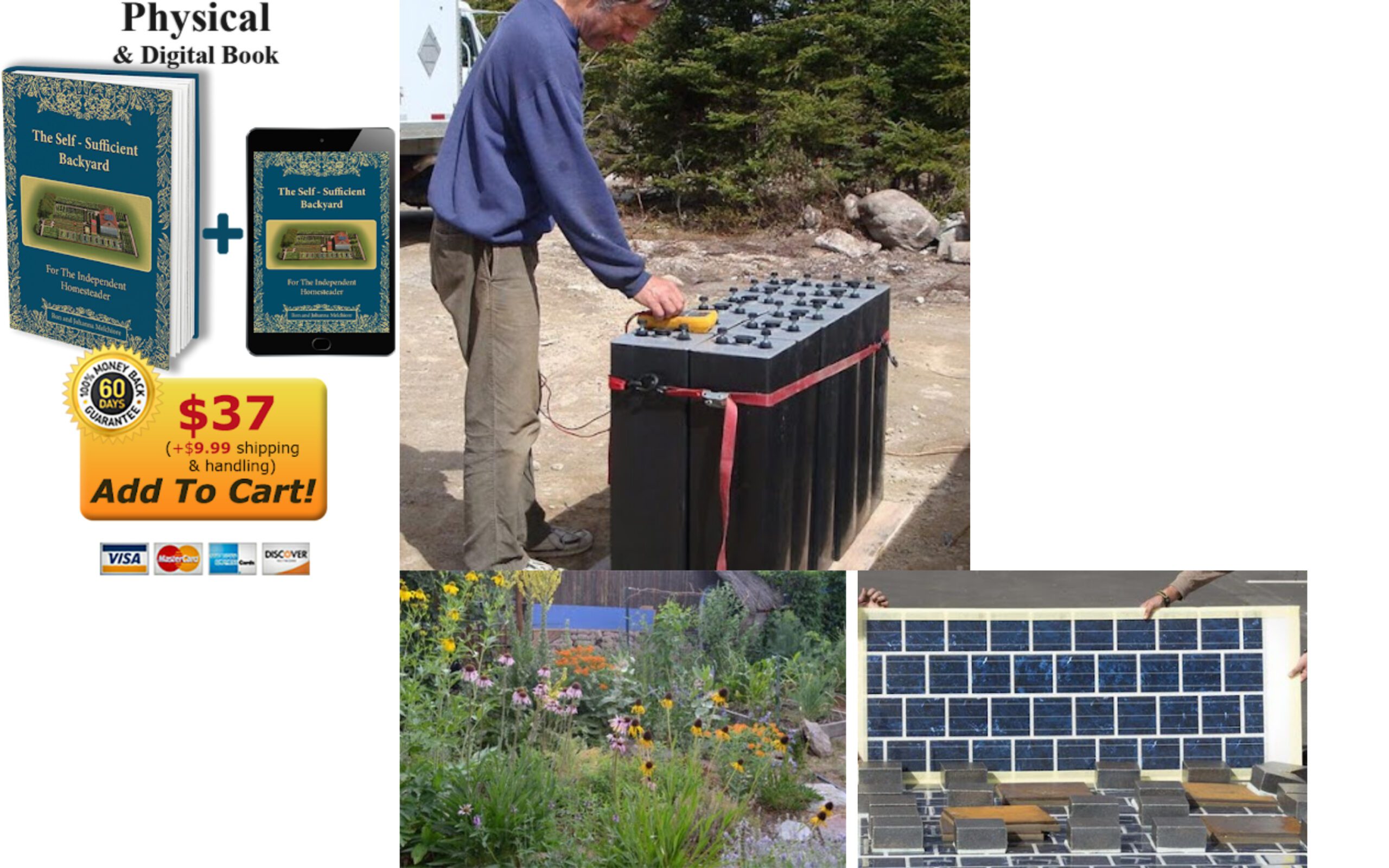
- Take control of your food, energy, and lifestyle with The Self-Sufficient Backyard, a complete, practical, and inspiring guidebook crafted for anyone who wants to live independently and sustainably. This beautifully printed physical edition is your hands-on companion—something you can flip through, bookmark, and keep in your workshop, garden shed, or kitchen for years to come.
- Created by seasoned homesteaders with decades of real-world experience, this manual breaks down the process of building a self-reliant life into simple, achievable steps. Whether your goal is to cut grocery bills, grow nutritious produce, raise backyard animals, or simply live closer to nature, this book shows you exactly how to get there.
- Master Food Independence
- Learn how to cultivate abundant gardens using raised beds, container setups, vertical growing systems, and permaculture layouts.
- Discover crop planning strategies that ensure fresh food throughout all seasons.
- Enjoy hands-on tutorials for fruit orchards, berry patches, medicinal herb gardens, and perennial crops that produce year after year.
- Raise Your Own Protein Sources
- Simple, illustrated instructions for keeping chickens, ducks, quail, and rabbits—even in compact spaces.
- Understand feeding, breeding, housing, and humane processing methods to maintain a reliable protein supply.
- DIY Water Systems That Save Money
- Harvest rainwater with efficient collection setups.
- Build affordable filtration and storage systems.
- Learn tricks to drought-proof your homestead and maintain water safety in emergencies.
- Cut Your Utility Bills with Energy Solutions
- Explore off-grid solar power options suitable for small and large homes.
- Build energy-efficient heating systems and learn ways to reduce consumption naturally.
- Includes tips for wind energy, compost heating, and passive cooling methods.
- Preserve Your Harvest for Long-Term Use
- Complete guides on canning, fermenting, dehydrating, root cellaring, freeze-drying, and more.
- Understand food safety, shelf life, and storage planning to maintain a pantry that can sustain your family year-round.
- Detailed Blueprints & Step-by-Step Projects
- Build greenhouses, hoop houses, chicken coops, cold frames, compost bins, and affordable backyard structures.
- Each project includes diagrams, measurements, materials lists, and troubleshooting advice.
- Learn how to make your own soap, cleaning supplies, and herbal remedies from simple, natural ingredients.
- Real homesteaders, real results: Strategies used by couples who live almost entirely off their own land.
- Beginner-friendly: No complicated jargon—just clear, practical instructions anyone can follow.
- Cost-saving: Every chapter is designed to reduce expenses and increase long-term security.
- Beautiful physical format: Durable, high-quality printing that’s perfect for everyday use, referencing, and long-term learning.
- Your Journey to Independence Starts Here
- This book is more than a manual—it’s a blueprint for freedom. A guide that empowers you to take control of your resources, build resilience, and enjoy the satisfaction of producing your own food, energy, and essentials.
- Whether you’re just starting out or expanding your homestead, The Self-Sufficient Backyard: For The Independent Homesteader will inspire you, guide you, and support your dream of a truly self-reliant life.
Experimenting with new crops or methods, like vertical gardening or companion planting, can increase space use and healthy yields. Testing small sections before widespread changes reduces risk.
Regularly upgrading tools, soil fertility through composting, and water management improves both productivity and effort. Seeking advice from local experts or homesteading groups broadens knowledge quickly.