
Carpet: All the Stats, Facts, and Data You’ll Ever Need to Know. The carpet industry is huge. In 2025, the global carpet market is worth around $60 to $74 billion, and some reports even place it closer to $90 billion. Forecasts suggest it could reach around $87 to $134 billion by 2032 and keep growing after that. That means more brands, more styles, and a lot more marketing hype in front of you.
Carpet: All the Stats, Facts, and Data You’ll Ever Need to Know
If you are shopping online, this can feel like standing in a giant showroom with no sales rep you trust. You see “pet proof,” “luxury,” and “eco” in every product name. Prices jump from $1 to over $10 per square foot. It is easy to click the wrong thing.
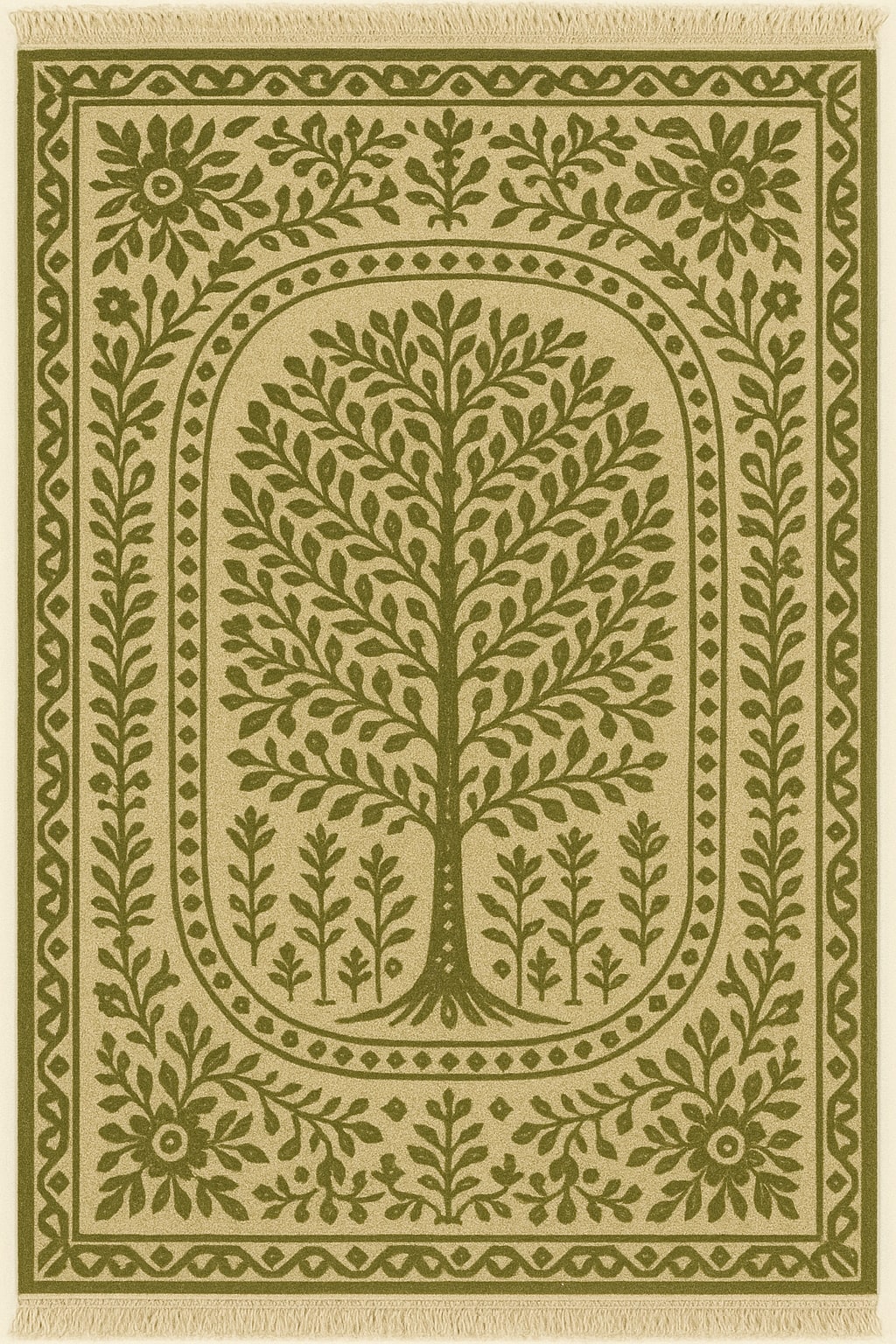
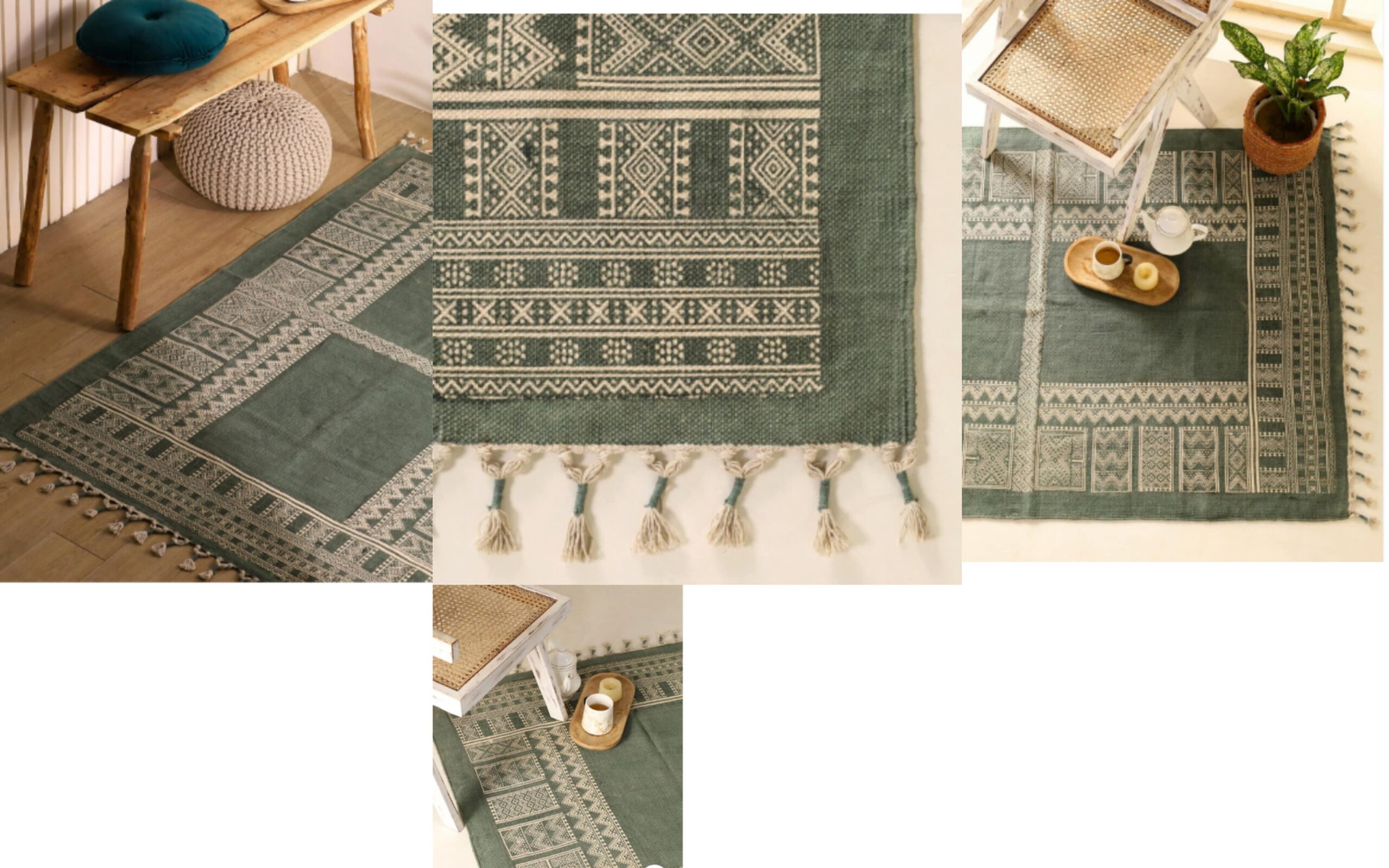
Peepul Tree Handmade Olive Green Ethnic Motifs Cotton Carpet (4X6ft)
Carpet
- Bring home a perfect blend of tradition, artistry, and comfort with the Peepul Tree Handmade Olive Green Cotton Carpet. Crafted by skilled artisans, this 4×6 ft masterpiece features intricate ethnic motifs that instantly elevate the charm of any room. Its rich olive-green hue adds a warm, earthy elegance, making it ideal for living rooms, bedrooms, lounges, or cozy corners.
- Made from premium-quality cotton, the carpet offers a soft, breathable, and skin-friendly texture that feels gentle under your feet. The handwoven construction ensures durability, long-lasting color, and a natural finish that machine-made carpets can’t replicate.
- Whether you’re looking to complement a traditional décor theme or add a touch of ethnic chic to a modern space, this carpet stands out as a timeless décor piece.
- Handmade by expert artisans for unmatched craftsmanship
- Ethnic motif design that brings cultural beauty to your home
- Soft, premium cotton fabric for maximum comfort
- Earthy olive green color adds warmth and elegance
- Ideal 4X6 ft size suitable for most home spaces
- Durable & easy to maintain, perfect for everyday use
This guide keeps it simple. You will see clear stats on carpet types, costs, lifespan, and care, and how those numbers help you buy with confidence. Along the way, you can use affiliate links, product tools, and brand pages to compare fibers, prices, and reviews without pressure. Think of this as your friendly cheat sheet before you add anything to your cart.
Carpet Market by the Numbers: How Big It Is and Why It Matters to You
A big, growing market is good for shoppers. It usually means more choice and stronger price competition.
Recent reports say the global carpet market value in 2025 sits somewhere between about $64 and $95 billion. Many forecasts expect it to grow roughly 5 to 8 percent per year, with some estimates going up to around 11 percent. By 2032, numbers often land between about $88 and $134 billion, and some projections push higher by 2034.
What does that mean for you, the person trying to carpet a bedroom or a rental?
- More brands fight for your attention, so you get better deals and more styles.
- You see constant new features like stain proof fibers, softer textures, and eco options.
- Big brands, such as Mohawk and Shaw, help set trends and price ranges for others.
These large brands often show up first on major online stores. When you scroll through a comparison page or an affiliate roundup, there is a good chance you will see their products in the mix. That gives you a simple way to compare trusted names with smaller or budget lines, all on one screen.
Global carpet market size, growth, and what that means for prices
Global growth of around 5 to 8 percent per year means companies are not slowing down. They keep adding:
- New colors and patterns to match current interior design styles
- Extra features like waterproof pads or built in stain guards
- Wider ranges of price points, from basic rentals to luxury wool
As volume grows, brands push hard to win share. That often shows up as sale pricing, free shipping offers, and promo codes on retailer sites. When you click through an affiliate link to a major store, you can often sort by price and spot deals from market leaders.
The takeaway is simple. A bigger market with strong growth puts you in control. You can use filters, price sliders, and brand names to find sweet spots where quality and price meet.
US carpet market stats: why Americans still love soft flooring
In the United States alone, the carpet market is worth around $21 billion. Forecasts suggest it could climb to about $33 billion by 2033, with growth close to 5 percent a year.
Carpet still wins in spaces where people want comfort and warmth:
- Bedrooms and family rooms in homes
- Hotel rooms and hallways
- Office spaces and meeting rooms
Strong demand in states like California, New York, and New Jersey pushes brands to keep improving. These regions drive trends such as:
- Better stain resistance for busy city homes and rentals
- Eco friendly and recycled fibers to meet stricter rules and consumer pressure
- Carpets that are easier to clean, great for small apartments and pets
When you shop on big retail sites, you see these trends right in the filters. Look for tags like “low VOC,” “recycled content,” or “pet friendly.” Affiliate comparison pages usually highlight these badges, which saves you a lot of scrolling.
Trends that drive carpet demand (and the products you should look for)
Several clear trends shape the carpet lines you see online:
- More new homes and urban living: Builders use practical, tough carpet.
Search for: “solution dyed nylon,” “low pile,” or “multi family carpet.” - Growth in home renovation and DIY projects: People want easy install options.
Search for: “carpet tiles,” “peel and stick tiles,” or “DIY carpet.” - Demand for sustainable and low VOC products: Shoppers care about indoor air and waste.
Search for: “recycled fiber carpet,” “PET polyester from bottles,” or “low VOC.” - Focus on hypoallergenic and stain resistant flooring: Families and pet owners want low stress cleaning.
Search for: “hypoallergenic carpet,” “pet proof,” or “stain resistant warranty.”
Affiliate product roundups often let you check boxes for these features. That way you skip dozens of products that do not match your needs.
Carpet Types, Lifespan, and Costs: Key Facts Before You Buy
Numbers about fibers, lifespan, and price help you see if a carpet is right for your room and budget.
Most common carpet fibers and what the data says about each one
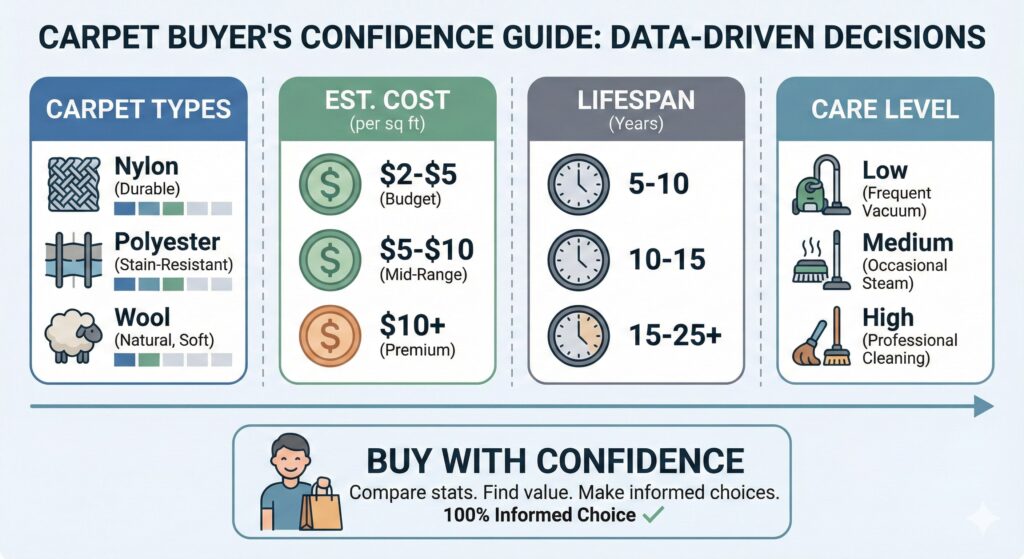
Here is a quick look at the main carpet fibers and what you can expect.
- Nylon
- Typical lifespan: about 10 to 15 years with normal care
- Strong, good for high traffic areas like stairs and hallways
- Often better stain resistance when treated
- Price: mid range to higher
Best for busy homes, kids, and pets when you want long wear.
- Polyester
- Typical lifespan: around 5 to 10 years, shorter for cheap options
- Very soft feel and bright colors
- Good natural stain resistance, but can crush in high traffic
- Price: budget to mid range
Best for bedrooms or low traffic spaces where softness matters more than long wear.
- Olefin (polypropylene)
- Typical lifespan: often 5 to 10 years in the right setting
- Resists moisture and bleach, but can crush under weight
- Often used in basements or commercial tiles
- Price: budget
Best for playrooms, basements, or offices, not ideal for fancy living rooms.
- Wool
- Typical lifespan: 15 years or more with good care
- Very soft, natural, and warm underfoot
- Needs careful cleaning, can stain if not treated
- Price: premium
Best for luxury spaces and long term homes, not short term rentals.
- Triexta (PTT)
- Typical lifespan: similar to good nylon, around 10 to 15 years
- Strong built in stain resistance
- Soft feel, common in family homes
- Price: mid to upper mid range
Best for active families who want both comfort and durability.
Most online stores let you filter by fiber. That makes it easy to pick nylon or triexta for high traffic areas, polyester for a guest room, or wool for a special room.
Average carpet prices per square foot and what affects the final cost
You do not need exact numbers to plan a budget, just ranges.
Typical carpet material prices per square foot:
| Carpet Level | Approx. Price per sq ft (US) |
|---|---|
| Budget synthetic | $1 to $3 |
| Mid range synthetic | $3 to $6 |
| Premium & wool | $6 and up |
Padding and installation add to the final bill. As a rough guide, many projects land around the same cost as the carpet itself, sometimes more if you hire top installers.
To estimate a total:
- Measure your room in square feet.
- Multiply by the carpet price per square foot.
- Add a similar amount for padding and labor.
If you buy carpet tiles or area rugs online, you can cut labor costs. You may only need simple tools and some time, which is why many affiliate pages feature tiles and large rugs as budget friendly options.
Carpet performance stats: durability, stain resistance, and warranties
Carpet companies use technical terms like face weight and density. Those matter, but as a shopper, easier stats help more.
Look for:
- Traffic rating: light, medium, or heavy traffic
- Warranty length: wear, stain, and pet warranties, often 5 to 25 years
Many quality carpets can last 8 to 15 years with normal care. Cheap options may show wear, crushing, and stains in under 5 years, especially in rentals or on stairs.
Pet friendly and stain resistant lines often include special warranties. When you compare carpets on product or affiliate pages, put traffic rating and warranty length side by side. If two carpets cost about the same, the one with a stronger warranty usually offers better long term value.
Real Life Carpet Facts: Installation, Care, and Smart Shopping Tips
Good data does not help if you do not know how long a carpet should last or how to care for it day to day.
How long does carpet really last and when should you replace it?
Here are simple lifespan averages:
- Low quality or heavy use rentals: about 5 to 7 years
- Standard residential carpet: about 8 to 12 years
- High quality or wool with good care: 15 years or more
Clear signs it is time to replace include:
- Flat or matted fibers that do not bounce back
- Stains that stay even after cleaning
- Odors that return after cleaning
- Worn backing or loose, wrinkled areas
Knowing these numbers helps you decide. If you plan to move in a few years, a cheaper short term carpet might be fine. If you expect to stay for a decade, a higher priced, longer lasting option from an online catalog often costs less per year of use.
Cleaning and maintenance stats that save you money over time
Most manufacturers suggest:
- Vacuuming at least once a week in low traffic rooms
- Vacuuming 2 to 3 times per week in high traffic areas
- Deep cleaning every 12 to 18 months, more often with pets or kids
Following these simple habits helps carpets reach their expected lifespan. Skipping them shortens it.
Useful add ons that many affiliate links promote include:
- A vacuum with a beater bar or brush roll
- A carpet spot cleaner for spills and pet accidents
- A sturdy doormat at each entry to catch grit and sand
These small tools protect the fibers, keep colors fresh, and delay the need for a full replacement.
How to use online reviews and product data to pick the right carpet
Online stores give you a lot of data. The trick is to read it in a smart way.
Focus on:
- Star ratings and review counts: higher stars plus more reviews usually mean fewer surprises.
- Traffic rating and room type: match “heavy traffic” to halls and stairs, “medium” to living rooms, “light” to bedrooms.
- Fiber type and pile height: shorter piles and tougher fibers handle wear better.
- Warranty details: check what is covered, for how long, and what cleaning rules apply.
A few quick tips:
- Sort by highest rated, then filter by your price range.
- Filter by room type, such as bedroom, office, or stairs.
- Look at buyer photos to see true color, texture, and how it holds up.
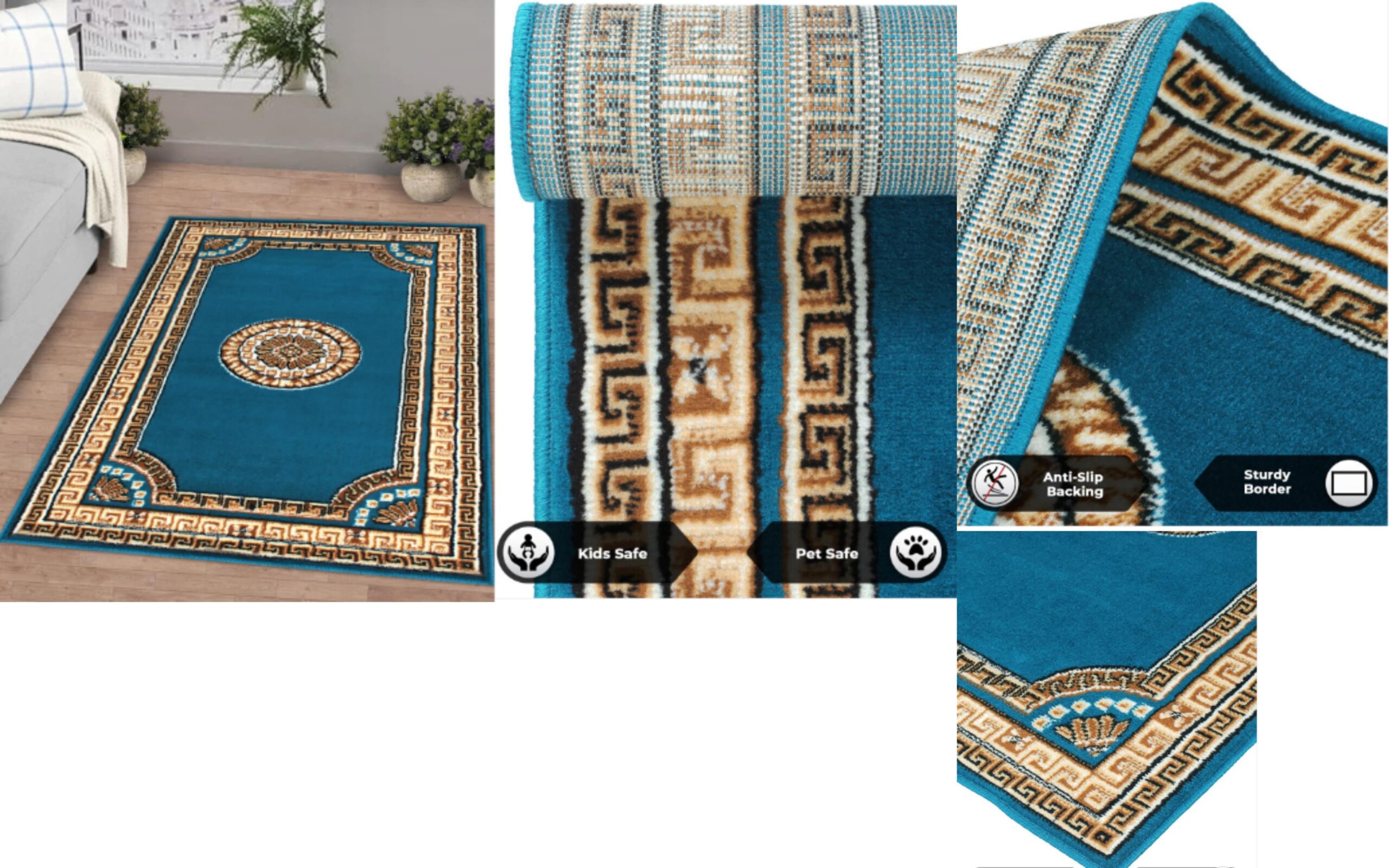
Story@home Blue & Yellow Anti-skid Floor Carpet
Carpet
- Bring home a refreshing splash of color with the Story@home Blue & Yellow Anti-Skid Floor Carpet, designed to elevate your space with its modern charm and reliable functionality. Crafted with premium-quality materials, this carpet adds warmth, comfort, and a touch of vibrance to any room—be it your living area, bedroom, or study.
- The soothing blue combined with cheerful yellow forms an eye-catching pattern that brightens up your interiors effortlessly. Its anti-skid backing ensures the carpet stays firmly in place, providing a safe and stable surface for everyday movement—ideal for homes with kids, elders, or pets.
- Soft underfoot and durable in build, this floor carpet enhances your décor while offering long-lasting performance. Whether you’re stepping out of bed in the morning or walking across the room after a long day, the plush texture makes every step comfortable.
- Vibrant Blue & Yellow Design: Adds a lively, modern touch to your home.
- Anti-Skid Backing: Keeps the carpet securely in place for added safety.
- Soft & Comfortable Feel: Provides a cozy surface underfoot.
- Durable Construction: Made to withstand regular use without losing its charm.
- Multipurpose Use: Perfect for living rooms, bedrooms, hallways, and more.
Affiliate comparison pages can pull together top rated and best value options based on these stats. That saves you time and helps you avoid low quality carpets that do not fit your home or lifestyle.
Conclusion
Carpet is a big business, with a global market of roughly $60 to $74 billion today and steady growth ahead. For you, that means plenty of choice, from $1 per square foot budget rolls to $6 and up premium and wool styles. Most homes land somewhere in the middle, aiming for carpets that last 8 to 12 years with simple care.
If you remember a few numbers, you stay in control: basic price ranges per square foot, average lifespans by fiber, and easy care rules like weekly vacuuming and a deep clean every 12 to 18 months. With those facts, you can match fiber, style, and budget to the way you really live.
When you are ready, use a curated list or comparison page of top rated carpets, runners, or tiles. Let those affiliate links act as a shortcut, not pressure, so you spend less time guessing and more time enjoying a soft, clean floor that actually fits your home.