

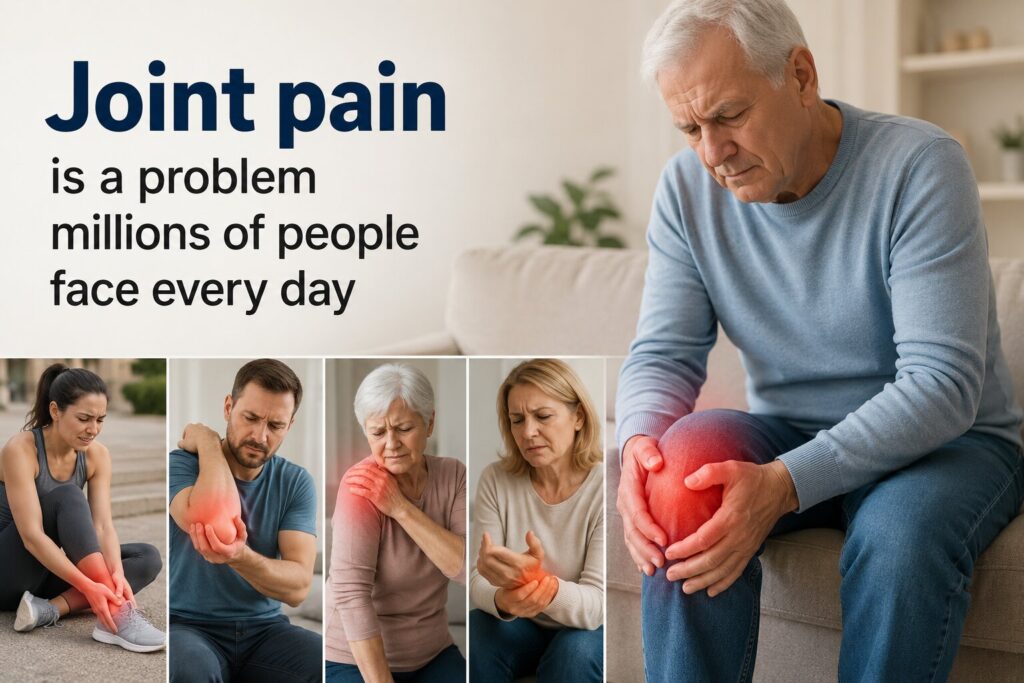
A Comprehensive Guide to Joint Genesis: Understanding the Basics. Joint pain is a problem millions of people face every day. For many, simple activities like walking, climbing stairs, or even sitting can be difficult.
A Comprehensive Guide to Joint Genesis: Understanding the Basics
Joint Genesis is a term that covers the process of how our joints develop, maintain health, and sometimes deteriorate. If you want to understand what keeps your joints healthy, what causes pain, and how modern science is helping, this guide is for you. A Comprehensive Guide to Joint Genesis: Understanding the Basics.
Joint Genesis
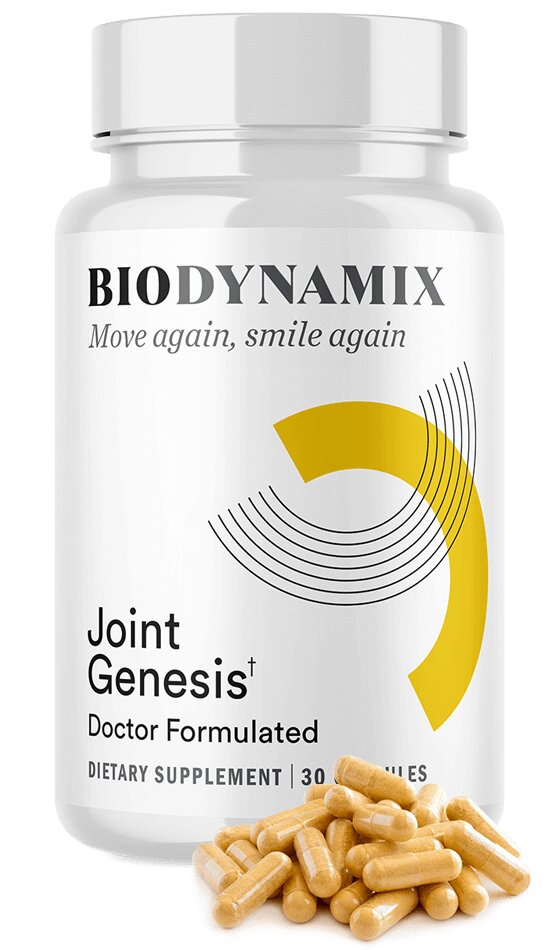
- Join the Thousands of U.S. Seniors Enjoying Comfortable, Flexible and Youthful Joints Thanks to Joint Genesis™
- From the Desk of: Dr. Mark Weis, M.D.
- In the mountains of Japan, there exists a small and remote village called Yuzurihara.
- It’s a village where 70, 80, and even 90 year olds are still able to comfortably squat, twist and bend for up to 8 hours a day to farm their rice crops.
- They plow their fields without the help of modern machinery, and they continue to harvest their fruit and vegetables by hand.
- In fact, so-called “wear and tear” barely seems to exist in the joints of these Japanese seniors.
- The secret lies in the village’s fertile soil where a unique type of purple sweet potato grows.
- It’s called the satsumaimo, and it’s rich in a joint-supporting molecule called hyaluronan.
- How does hyaluronan support joint health?
- Hyaluronan’s crucial role in joint health is to absorb water so it can give your synovial fluid its naturally thick, lubricating, and jelly-like quality.
- The synovial fluid sits inside the joint cavity where it hydrates, cushions and nourishes the cartilage tissue and helps to support a healthy inflammatory response, promoting optimum joint comfort and flexibility.
- The problem for most of us is that our joints begin to lose hyaluronan at an accelerated pace once we pass 30 years of age.
- The result is that our synovial fluid thins and dries out, the cartilage becomes exposed, and an unhealthy inflammatory response takes hold. At which point, typical age-related joint issues arise.
- The result is that our synovial fluid thins and dries out, the cartilage becomes exposed, and an unhealthy inflammatory response takes hold. At which point, typical age-related joint issues arise.
- This means their synovial fluid remains thick and healthy.
- As a result their cartilage tissue stays lubricated, cushioned and nourished, and their joints enjoy a healthy inflammatory response.
- According to new scientific research…
What Is Joint Genesis?
Joint Genesis means the formation and function of joints in the human body. Joints are places where two bones meet. They allow movement, flexibility, and support. There are three main types:
- Synovial joints – Most common, like knees and shoulders
- Cartilaginous joints – Less movement, like vertebrae
- Fibrous joints – No movement, like skull sutures
Healthy joints depend on several things: cartilage, synovial fluid, and ligaments. Cartilage cushions bones, synovial fluid lubricates, and ligaments hold bones together. When any part fails, pain and stiffness can occur.
The process of joint genesis starts before birth. Babies develop their joints in the womb, and these joints continue to change as children grow. For example, the knee joint in a baby is mainly cartilage, but it slowly becomes bone as the child matures. A Comprehensive Guide to Joint Genesis: Understanding the Basics.
This process is called ossification. In adults, the balance between joint use and repair is important. If joints are used too much without rest, tiny tears can form and lead to future pain. If joints are not used enough, they can become stiff and weak. A Comprehensive Guide to Joint Genesis: Understanding the Basics.
The Science Behind Joint Health
Our joints are complex but fascinating. The main parts include:
- Cartilage – This smooth tissue covers bone ends. It absorbs shock and prevents bones from rubbing.
- Synovial Fluid – A thick, slippery fluid inside joint capsules. It reduces friction and feeds cartilage.
- Ligaments and Tendons – Ligaments connect bones to bones; tendons connect muscles to bones.
Over time, wear and tear can damage cartilage. The body tries to repair, but sometimes it cannot keep up. This leads to osteoarthritis, the most common joint disease. A Comprehensive Guide to Joint Genesis: Understanding the Basics.
When you move your joints, cartilage acts like a cushion. The synovial fluid inside the joint capsule is almost like oil for a machine—it lets bones glide smoothly. Ligaments and tendons provide stability, making sure joints move only in the correct direction. A Comprehensive Guide to Joint Genesis: Understanding the Basics,
Sometimes, people forget that muscles also play a role in joint health. Strong muscles around a joint help support it and lower injury risk. A Comprehensive Guide to Joint Genesis: Understanding the Basics.
How Joints Change With Age
Aging affects joints in several ways:
- Cartilage becomes thinner and rougher.
- Synovial fluid production decreases.
- Ligaments and tendons lose elasticity.
- Bone density drops, increasing the risk of fractures.
Studies show that almost 50% of adults over 65 have some joint pain. Women are slightly more at risk, especially after menopause. A Comprehensive Guide to Joint Genesis: Understanding the Basics.
As people get older, joints may start to feel less flexible. You might notice a crunching sound, known as “crepitus,” when moving your knees or fingers. This happens because cartilage wears down and bones may rub together. Another age-related change is the slow loss of bone minerals, making bones weaker.
This can make injuries more serious. Some older adults also experience joint swelling, which makes movement harder. A Comprehensive Guide to Joint Genesis: Understanding the Basics.
| Joint Component | Age Impact | Common Result |
|---|---|---|
| Component Age Impact Commoning | Stiffness | |
| Synovial Fluid | Less production | Dry joints |
| Ligaments | Reduced elasticity | Limited movement |
Common Joint Disorders
Joint disorders are not only about pain. They affect daily life and can lead to disability if ignored. Here are the main types:
Osteoarthritis
This is the most widespread joint problem. It happens when cartilage breaks down. You may feel:
- Pain during movement
- Swelling
- Reduced range of motion
Osteoarthritis often starts slowly. At first, you may notice discomfort after exercise, but later it can make even simple tasks hard. Knees, hips, and hands are most commonly affected.
Rheumatoid Arthritis
This is an autoimmune disease. The body attacks its own joint tissues. Symptoms include:
- Joint pain and swelling
- Morning stiffness
- Fatigue
Rheumatoid arthritis can affect many joints at once, and symptoms often come and go. Some people have flare-ups that last weeks, then feel better for a while. A Comprehensive Guide to Joint Genesis: Understanding the Basics.
Other Disorders
- Gout – Uric acid crystals cause sudden, severe pain.
- Bursitis – Inflammation of fluid sacs near joints.
- Tendinitis – Inflammation of tendons.
Gout often targets the big toe and can cause the joint to turn red and hot. Bursitis usually affects the shoulder or hip, making movement painful. Tendinitis can happen from repetitive movements, like typing or playing tennis.
According to the CDC, about 24% of adults in the US have arthritis. Early diagnosis is important to slow the progression. A Comprehensive Guide to Joint Genesis: Understanding the Basics.
Factors That Affect Joint Genesis
Several things impact joint health, some you can control and others you cannot:
Genetics
Your genes influence how strong your cartilage is and how likely you are to develop arthritis. For example, if your parents had joint problems, you may be more likely to have them too.
Lifestyle
The way you live matters. For example:
- Physical activity – Keeps joints flexible.
- Healthy weight – Reduces stress on knees and hips
- Diet – Supplies nutrients for cartilage
Smoking and drinking alcohol can also affect joint health. Smoking lowers the blood supply to joints, making repair harder. Alcohol can increase inflammation. A Comprehensive Guide to Joint Genesis: Understanding the Basics.
Injury
Previous injuries can make joints weaker. Sprains, breaks, or repeated use can start a chain reaction that leads to pain years later. A Comprehensive Guide to Joint Genesis: Understanding the Basics.
People who play sports or have jobs that require heavy lifting are at higher risk of joint injuries. Even minor injuries can cause problems later, especially if they are not treated properly.
| Factor | Effect on Joints | Can Control? |
|---|---|---|
| Joints Canactor Effectetics | Risk of arthritis | No |
| Diet | Cartilage strength | Yes |
| Exercise | Flexibility | Yes |
| Injury | Weakness | Sometimes |
Key Strategies For Joint Health
To protect your joints, follow these practical steps:
- Stay Active – Regular movement keeps joints lubricated. Walking, swimming, or cycling are good options.
- Maintain a healthy weight – Extra pounds put pressure on knees, hips, and ankles.
- Eat a balanced diet – Foods rich in Joint Genesis, vitamin D, and calcium help cartilage and bones.
- Avoid Repetitive Stress – Change positions often; use ergonomic tools if possible.
- Stretch – Gentle stretching improves flexibility and reduces injury risk.
Adding strength training can help muscles around joints. Strong muscles absorb shock and support your body. If you have arthritis, low-impact exercises like water aerobics can make movement easier and reduce pain. For joint health, it’s better to do short, frequent activities than long, intense sessions.
Foods That Support Joint Genesis
Certain foods are linked to better joint health. Examples include:
- Fatty fish (salmon, mackerel) – Omega-3s fight inflammation.
- Leafy greens – Vitamin K for bone strength.
- Nuts and seeds – Healthy fats for cartilage.
- Berries – Antioxidants protect tissues.
Some people also benefit from spices like ginger and turmeric, which can lower swelling. Dairy products provide calcium, which is vital for bones that support joints. Whole grains and beans offer magnesium, another important mineral. A Comprehensive Guide to Joint Genesis: Understanding the Basics.
Advances In Joint Genesis Research
Modern science is making progress in understanding and treating joint issues. Here are some important developments:
Regenerative Medicine
Doctors are using stem cells and platelet-rich plasma to help repair damaged cartilage. Early studies show promise, especially in knee injuries. A Comprehensive Guide to Joint Genesis: Understanding the Basics.
Researchers are also testing ways to grow new cartilage using lab technology. This could help people with severe joint damage avoid surgery in the future. A Comprehensive Guide to Joint Genesis: Understanding the Basics.
Biologic Drugs
New medications, called biologics, target the immune system. They help people with rheumatoid arthritis by blocking inflammation. A Comprehensive Guide to Joint Genesis: Understanding the Basics.
Biologics are given by injection and can reduce symptoms when traditional drugs do not work. They are expensive but can change lives for people with severe joint disease. A Comprehensive Guide to Joint Genesis: Understanding the Basics.
Artificial Joints
When a joint is too damaged, joint replacement surgery can restore movement. Artificial joints last up to 20 years and are becoming safer.
The materials used for artificial joints are improving, with some made of ceramics or special plastics. Recovery after surgery is faster now, with less risk of infection.
Non-obvious Insight: Water And Joint Health
Many people ignore hydration. Synovial fluid is mostly water. If you are dehydrated, your joints may feel stiffer. Drinking enough water is a simple but often overlooked step.
Some signs of poor hydration include dry mouth, headaches, and tiredness. If you notice these along with joint stiffness, try drinking more water for a week and see if it helps.
Non-obvious Insight: Microbiome And Joints
Recent research suggests gut health affects joint inflammation. Good bacteria in the gut can reduce swelling in joints. Eating yogurt or fermented foods may help.
People who take antibiotics often notice joint pain as a side effect. This may be because antibiotics change gut bacteria. Eating fiber-rich foods like bananas and oats can help restore balance.
Comparing Joint Supplements
Many people try supplements for joint pain. Not all work equally well. Here’s a comparison of popular options:
| Supplement | Main Benefit | Evidence Strength |
|---|---|---|
| Glucosamine | Supports cartilage repair | Moderate |
| Chondroitin | Reduces pain | Moderate |
| Turmeric | Anti-inflammatory | Strong |
| Collagen | Improves elasticity | Emerging |
Some supplements, like turmeric, work best when taken with healthy fats. Collagen powders are popular among athletes and older adults. However, supplements are not magic. They work best as part of a healthy lifestyle.
Always check with your doctor before starting new supplements. Some interact with medications or cause side effects.
Practical Tips For Joint Care
Even simple changes can make a big difference:
- Wear comfortable shoes with good support.
- Use heat and cold packs for pain relief.
- Avoid sitting in one position for long.
- Try gentle exercises like yoga or tai chi.
If you spend hours at a desk, try standing up and stretching every hour. Small movements, like rolling your shoulders or flexing your ankles, keep joints active. For people with mild pain, over-the-counter creams may help, but always read instructions.
Many people wait until pain is severe before acting. Early prevention is much easier than treating advanced problems.
Joint Genesis
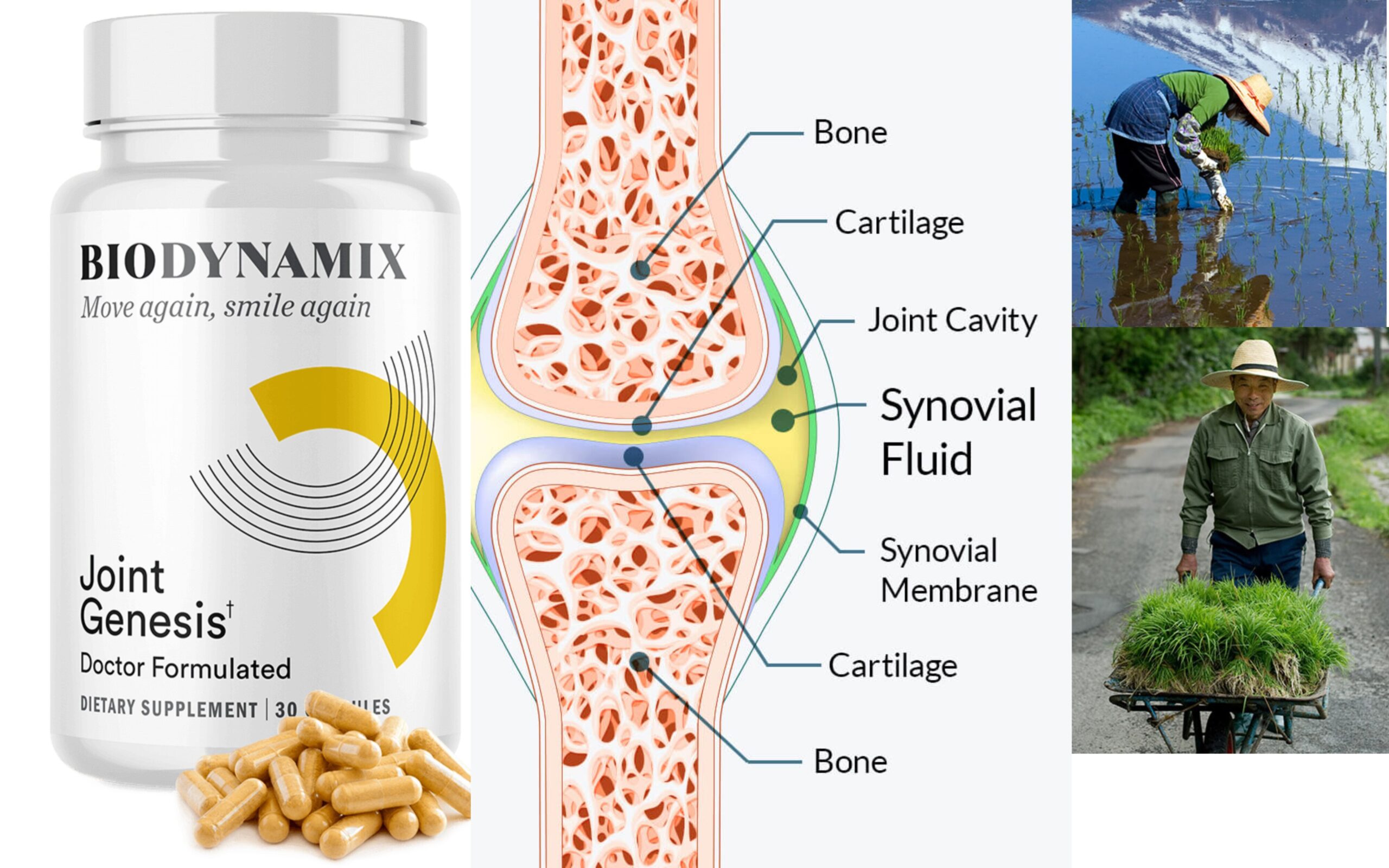
- This is why joint concerns are so rare
in the aging population of Yuzurihara - Hyaluronan is now deemed so important that world-leading joint health expert Dr J.R. Levick of St George’s Hospital Medical School at the University of London has dubbed this molecule:
- “The guardian of your joints”…
and “their key protective agent”. - This has now been supported by a study published in the esteemed Nutrition Journal which found that people with age-related joint issues have:
When To See A Doctor
If you notice:
- Swelling that doesn’t go away.
- Severe pain after minor activity
- Redness and warmth in a joint
- Loss of movement
Don’t ignore these signs. Early treatment can save you from future complications.
Doctors may use X-rays, MRI scans, or blood tests to find out what is wrong. Getting help early can prevent permanent damage.