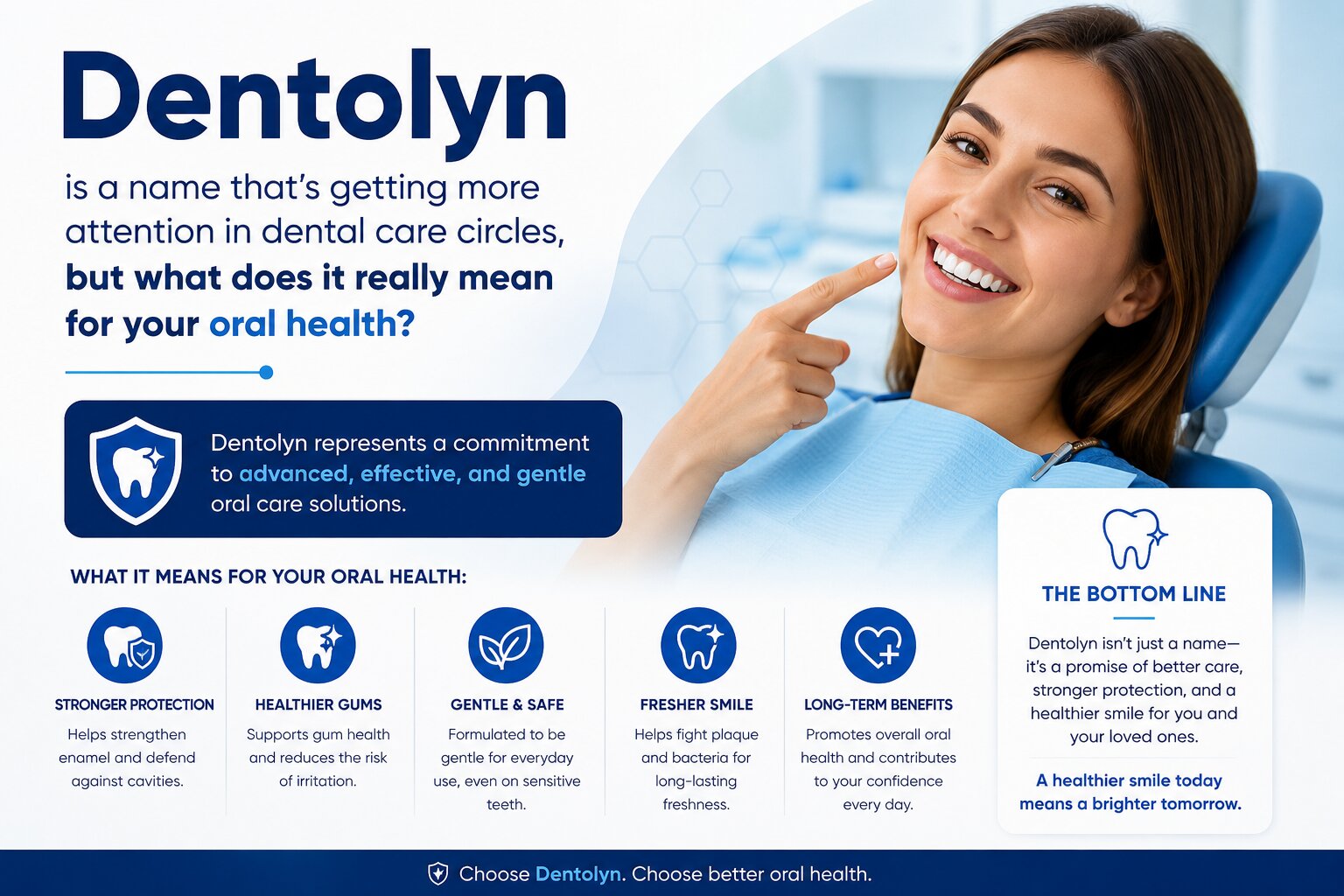
The Essential Knowledge on Dentolyn. Dentolyn is a name that’s getting more attention in dental care circles, but what does it really mean for your oral health? Whether you’re a patient seeking safer solutions or a dental professional looking for effective materials, understanding Dentolyn can give you a new perspective on modern dentistry.
The Essential Knowledge on Dentolyn
In this article, you’ll learn exactly what Dentolyn is, how it’s used, the benefits and risks, and how it compares to other dental products. You’ll also find practical advice, real-world examples, and answers to the most common questions people ask about Dentolyn. Let’s explore the essential knowledge you need to make informed choices about this important dental material.
Dentolyn
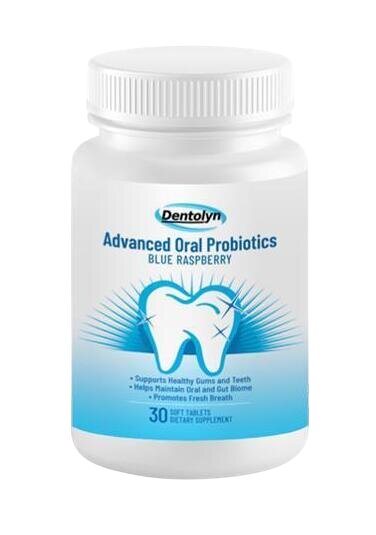
- Designed to help support healthy gums and teeth, help maintain oral and gut biome and promote fresh breath
- Introducing
- Dentolyn is like nothing you’ve ever tried before… it’s based off a closely guarded formula that’s said to be able to healthy gums and teeth.
- With it’s unique blend of hard to source ingredients, Dentolyn helps support healthy gums and teeth, help maintain oral and gut biome and promote fresh breath.
- Order 6 bottles
and get FREE Shipping Too! - *97% Of Customers Order 6 Bottles (Our Recommended Option)
What Is Dentolyn?
Dentolyn is a dental material widely used in restorative and preventive dentistry. It is most commonly found in the form of a cement, sealant, or liner. Dentolyn is designed to help protect teeth, secure fillings, and improve the success of various dental procedures. While you may not see “Dentolyn” on store shelves, it’s a product that dentists rely on for its unique properties and patient-friendly profile. The Essential Knowledge on Dentolyn.
The name “Dentolyn” is often associated with a class of glass ionomer cements (GICs), which are known for their strong bond to tooth structure, fluoride release, and compatibility with living tissue. These qualities make Dentolyn a preferred choice in many restorative treatments, especially where traditional amalgam or resin-based materials may not be ideal. The Essential Knowledge on Dentolyn.
Unlike traditional dental cements, Dentolyn is formulated to provide extra benefits such as fluoride release and minimal irritation to the pulp (the tooth’s nerve). This makes it an excellent option for people who are sensitive to chemicals or who need long-term protection against cavities. The Essential Knowledge on Dentolyn.
Key Applications Of Dentolyn In Dentistry
Dentolyn is not a one-size-fits-all product. Dentists use it in several important ways, each chosen to match the needs of the patient and the procedure. The Essential Knowledge on Dentolyn.
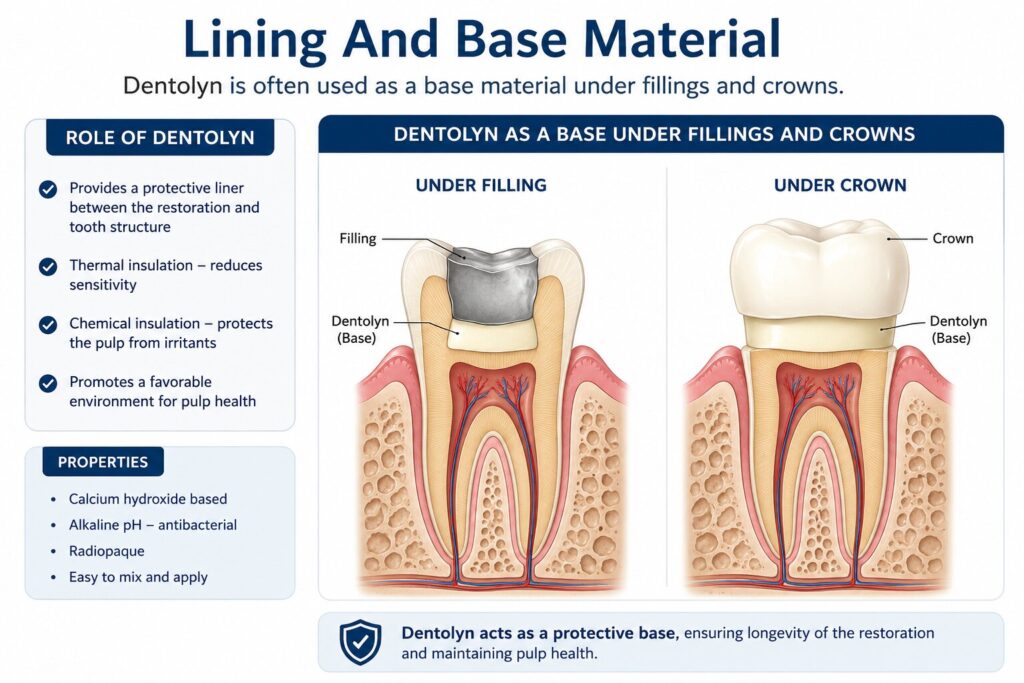
1. Lining And Base Material
Dentolyn is often used as a base material under fillings and crowns. Its gentle effect on the tooth pulp and ability to release fluoride help protect the tooth from further decay and sensitivity.
2. Cementing Crowns And Bridges
Dentolyn acts as a dental cement to secure crowns, bridges, and orthodontic brackets. Its chemical bond with both enamel and dentin creates a tight seal that lasts longer and prevents microleakage (tiny gaps where bacteria can enter). The Essential Knowledge on Dentolyn.
3. Cavity Fillings In Children
Pediatric dentists often choose Dentolyn for children’s fillings, especially in primary (baby) teeth. Its biocompatibility means fewer allergic reactions and better long-term outcomes for young patients.
4. Fissure Sealants
Dentolyn-based sealants are used to cover deep grooves in molars, blocking bacteria and food from starting new cavities. The Essential Knowledge on Dentolyn.
5. Temporary Restorations
Dentolyn can serve as a temporary filling when patients need a short-term solution before a permanent restoration. The Essential Knowledge on Dentolyn.
How Does Dentolyn Work?
Dentolyn’s effectiveness is rooted in its unique chemistry. Most forms of Dentolyn are based on glass ionomer technology. Here’s how they function:
- Chemical Bonding: Dentolyn forms a direct chemical bond with the minerals in tooth enamel and dentin, unlike many other cements that rely only on physical retention.
- Fluoride Release: Over time, Dentolyn releases fluoride ions, which help to remineralize the tooth surface and resist further decay. The Essential Knowledge on Dentolyn.
- Biocompatibility: The gentle formulation reduces the risk of irritation or inflammation compared to more acidic or resin-heavy materials. The Essential Knowledge on Dentolyn.
- Moisture Tolerance: Dentolyn is less sensitive to moisture during application, making it easier for dentists to achieve good results even in challenging situations. The Essential Knowledge on Dentolyn.
These features explain why Dentolyn is trusted for use in patients with high cavity risk, sensitivity, or difficult oral environments. The Essential Knowledge on Dentolyn.
Advantages Of Dentolyn Over Other Dental Materials
Choosing the right dental material can make a big difference in both treatment success and patient comfort. Here’s how Dentolyn stands out compared to other common options. The Essential Knowledge on Dentolyn.
| Feature | Dentolyn | Resin-Based Cement | Amalgam |
|---|---|---|---|
| Bond Strength | High (chemical) | High (mechanical/chemical) | Moderate (mechanical) |
| Fluoride Release | Yes | No | No |
| Biocompatibility | Excellent | Good | Fair |
| Moisture Tolerance | Good | Poor | Good |
| Longevity | Moderate | High | High |
Key Insights:
- Dentolyn’s fluoride release adds a layer of long-term protection that resin-based cements and amalgam lack.
- Its biocompatibility makes it suitable for patients with allergies or sensitivities to other materials.
- Dentolyn is more forgiving when moisture control is difficult, such as with children or anxious patients.
Limitations And Risks Of Dentolyn
Even the best dental materials have downsides. Understanding these helps you set realistic expectations.
Lower Wear Resistance
Dentolyn is not as hard as composite resins or amalgam. It can wear down faster, especially on chewing surfaces exposed to heavy biting forces. For back teeth, dentists may recommend a stronger material or use Dentolyn as a base with a harder top layer.
Esthetics
While Dentolyn blends better with natural tooth color than silver amalgam, it’s not as translucent or stain-resistant as high-end composites. If appearance is critical, such as for front teeth, another material might be preferred.
Technique Sensitivity
Although Dentolyn handles moisture better than some materials, improper mixing or placement can weaken the bond or cause early failure. Dentists need proper training and careful technique for the best results.
Possible Post-operative Sensitivity
A small number of patients might experience short-term sensitivity after a Dentolyn procedure. This usually resolves within a few days but should be reported if it persists.
The Science Behind Dentolyn: Composition And Mechanism
Dentolyn’s properties come from a specific blend of aluminosilicate glass powder and polyalkenoic acid. When mixed, these components undergo an acid-base reaction, forming a hard, tooth-like structure. The glass particles release fluoride, calcium, and aluminum ions, which integrate with the tooth and boost resistance to decay.
Dentolyn’s adhesion is both chemical and micro-mechanical. It penetrates tiny pores in the tooth, locking in place and creating a seal that blocks bacteria. Unlike resin cements that need a separate adhesive, Dentolyn simplifies the process by combining bonding and protection in one step.
Clinical Data And Real-world Effectiveness
Multiple studies have confirmed Dentolyn’s effectiveness in reducing secondary caries (cavities that form at the edge of fillings). One review found that glass ionomer-based materials like Dentolyn reduced new cavity risk by up to 30% compared to traditional materials over five years. In pediatric cases, retention rates for Dentolyn-based sealants remain above 80% after two years, which is considered excellent for children’s teeth.
Dentists also report fewer incidents of allergic reactions or tissue irritation with Dentolyn compared to resin-based or zinc oxide-eugenol cements. For patients with a history of sensitive teeth or poor gum health, this is a practical advantage.
Best Practices For Dentolyn Application
To get the most from Dentolyn, dentists follow strict steps:
- Clean the Tooth Surface: Remove debris and plaque to ensure a strong bond.
- Isolate the Tooth: Use cotton rolls or rubber dams to minimize saliva, even though Dentolyn is moisture-tolerant.
- Mix Precisely: Follow the manufacturer’s instructions for powder-to-liquid ratio and mixing time.
- Apply in Thin Layers: For deep cavities, Dentolyn is placed in layers to reduce shrinkage and improve adaptation.
- Allow Proper Setting Time: Avoid chewing or brushing the area for the recommended period (usually 1–2 hours).
One non-obvious tip: Dentolyn sets faster in a humid environment, but excess water can weaken the final bond. Dentists balance this by keeping the area moist but not wet—a detail that makes a big difference in long-term results.
Common Myths And Misunderstandings
Many people confuse Dentolyn with other “white” dental materials or think it’s only for children. In reality, Dentolyn is versatile and suitable for adults, seniors, and people with special health needs. It is also sometimes mistaken for “temporary” cement, but when used correctly, Dentolyn can provide years of durable service.
Another common myth is that fluoride release from Dentolyn is “too little to matter. ” Research shows even low-level fluoride can significantly reduce cavity risk, especially in patients with dry mouth or high sugar intake.
Cost And Insurance Coverage
Dentolyn is often more affordable than resin composites or porcelain restorations. Most dental insurance plans cover procedures using Dentolyn, especially for children’s fillings, base liners, or preventative sealants. However, coverage for adults or certain types of crowns may vary, so it’s wise to check your plan’s details before treatment. The Essential Knowledge on Dentolyn.
Here’s a simple price comparison for common materials in the US:
| Material | Average Cost (per tooth) | Insurance Coverage |
|---|---|---|
| Dentolyn (GIC) | $90–$150 | Usually Covered |
| Composite Resin | $150–$250 | Usually Covered |
| Porcelain | $800–$2,000 | Partially Covered |
| Amalgam | $75–$150 | Usually Covered |
Dentolyn In Preventive Dentistry
Dentolyn isn’t only for fixing problems—it’s a powerful tool in preventive dental care. By sealing grooves, protecting exposed roots, or lining sensitive areas, Dentolyn helps stop cavities before they start. Its fluoride release is especially valuable for people with dry mouth, diabetes, or a history of frequent cavities. The Essential Knowledge on Dentolyn.
Dentists may recommend Dentolyn sealants for children as soon as their permanent molars erupt, usually around age six. For adults, Dentolyn can be used to protect teeth after gum recession or during orthodontic treatment. The Essential Knowledge on Dentolyn.
Patient Experiences: What To Expect
Most patients notice that Dentolyn-based treatments are quick, comfortable, and rarely cause after-effects. The procedure usually involves:
- Numbing the area (if needed)
- Cleaning and preparing the tooth
- Applying Dentolyn in thin layers
- Shaping and polishing the material
- Checking the bite for comfort
It’s normal to feel slight sensitivity for a day or two, but pain or swelling is rare. If you have allergies, let your dentist know in advance—though reactions to Dentolyn are extremely uncommon.
Dentolyn
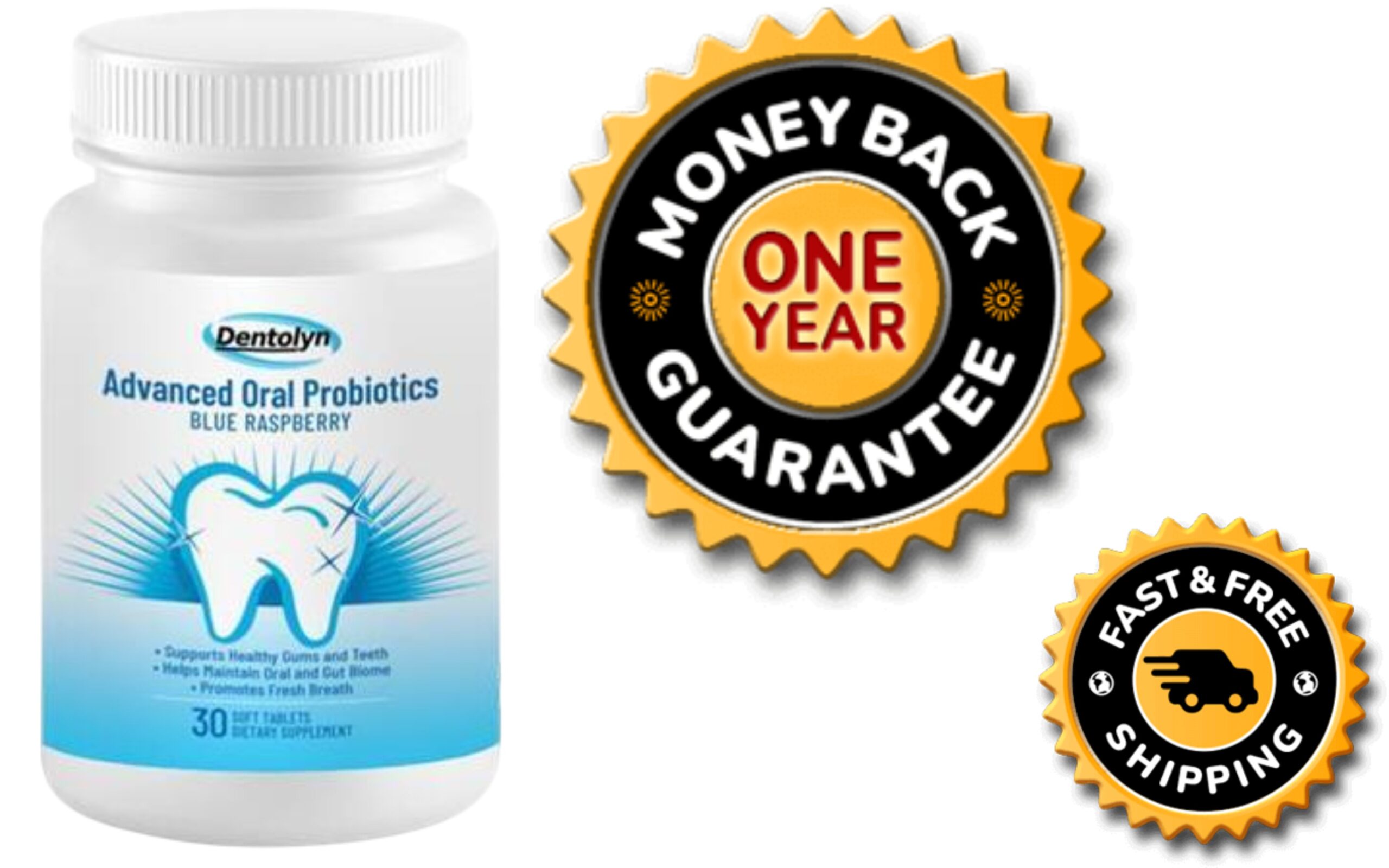
- 100% Satisfaction
365-Day Money Back Guarantee - Your order today is covered by our iron-clad 365-day 100%
money-back guarantee. If you are not impressed with the
results, then at any time in the next 365 days write
to us and we’ll refund every single cent.
How Dentolyn Compares In Modern Dentistry
With so many dental materials available, where does Dentolyn fit today? While it may not replace all uses of composite or ceramic, it fills a unique gap for patients who need fluoride protection, have allergies, or require a gentle approach.
Many dentists use Dentolyn as a foundation layer (base) under stronger materials, combining the best features of both.